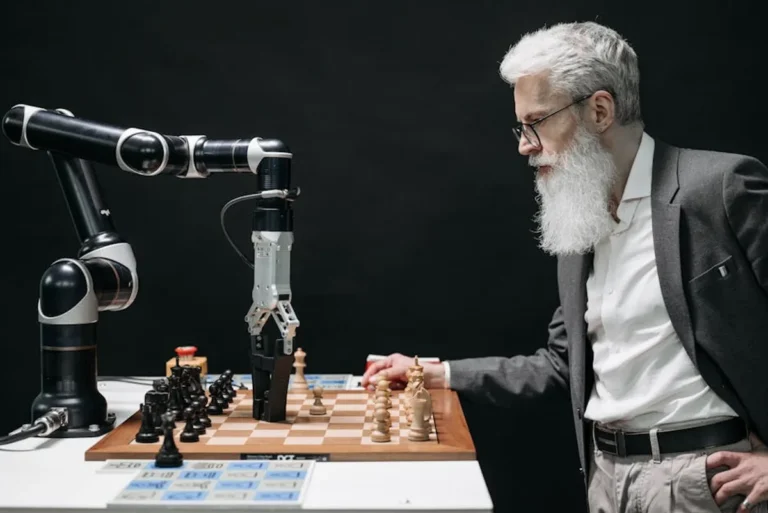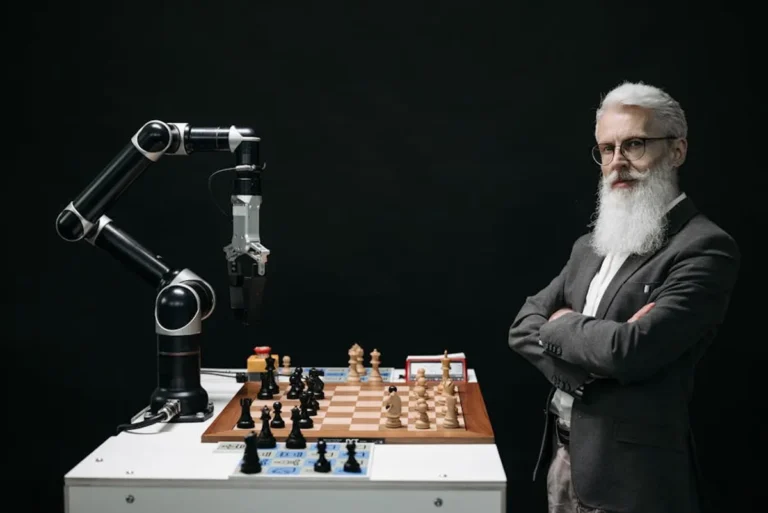
Mastering the endgame in chess is often the clearest path to significant rating improvement and a higher win rate. While opening theory and tactical sharpness are vital, the endgame is where small advantages are converted, draws are held, and wins are secured. Many club players neglect this phase, focusing instead on flashy middle-game tactics or memorizing opening lines. However, a deep understanding of endgame principles allows for more precise play, better decision-making earlier in the game, and the ability to confidently navigate positions where every tempo and square counts. The decision to invest time in endgame study is a strategic one, offering a high return for players seeking to elevate their practical playing strength.
How to Approach Endgame Study Effectively
Effective endgame study requires a structured approach beyond simply playing out positions. Begin with fundamental concepts before progressing to more complex scenarios. Active learning is paramount; don't just read about endgames, but set up positions on a board or use a digital interface and play them out against an engine or a friend. Analyze your own games specifically for endgame mistakes, identifying missed opportunities or incorrect techniques. Regular practice of key theoretical endgames, such as basic mates and rook endgames, builds a strong foundation. Systematically categorize endgames by material (e.g., king and pawn, rook and pawn) and study them in depth, understanding the underlying principles rather than just memorizing moves. This systematic, active, and analytical method ensures that knowledge translates directly into practical playing strength.
1. Master Basic Checkmates
Understanding how to deliver basic checkmates with major pieces against a lone king is the absolute foundation of endgame proficiency. This includes King and Queen vs. King, King and Rook vs. King, and King and Two Rooks vs. King. These are not merely exercises in pattern recognition; they teach fundamental principles of king activation, cutting off escape squares, and coordinating pieces. Without the ability to convert these basic wins, any material advantage gained earlier in the game becomes meaningless. The techniques learned here, such as the "box" method or using the king to support the major piece, are transferable to more complex scenarios.
Best For: Beginners and intermediate players who struggle to convert winning material advantages, or those prone to stalemating opponents in simple positions.
Pros: Establishes fundamental piece coordination and king activity principles; directly improves conversion rates in winning positions; builds confidence in handling major piece endgames; relatively quick to learn and master with dedicated practice.
Cons: Can feel repetitive; success is dependent on opponent's cooperation in live play (though theoretical positions assume optimal defense); does not directly address pawn endgames or minor piece endgames.
Verdict: Non-negotiable. This is the starting point for all serious endgame study. Mastery here prevents frustrating draws from winning positions and lays the groundwork for advanced concepts.
2. Understand Opposition
Opposition is a critical king-and-pawn endgame concept involving the strategic placement of kings. When two kings are separated by an odd number of squares on the same rank or file, the player whose turn it is to move, and thus must relinquish the opposition, is often at a disadvantage. Gaining opposition allows a king to penetrate enemy territory, support a pawn advance, or block an opponent's pawn. This principle extends beyond direct opposition to include distant and diagonal variations, controlling key squares even when kings are not immediately facing each other. It dictates which king can reach a critical square first, often deciding the outcome of a king-and-pawn endgame.
Best For: Players looking to improve their king-and-pawn endgame technique, especially in situations where a single pawn is involved.
Pros: Provides a clear, actionable strategy in many king-and-pawn endgames; simplifies complex king maneuvers into recognizable patterns; significantly improves conversion rates for winning positions and holding draws in lost ones; enhances understanding of king activity and square control.
Cons: Can be misapplied if the pawn structure is complex or if other pieces are present; requires precise calculation of king moves; initially, recognizing the correct type of opposition (direct, distant, diagonal) can be challenging without practice.
Verdict: A foundational endgame concept that, once mastered, offers a high return on investment in terms of practical play. It is indispensable for any player serious about improving their endgame technique.
3. Learn the Square Rule
The "Square Rule" is a simple, visual method to determine if a king can catch a passed pawn before it promotes. To apply it, imagine a square formed by the passed pawn and its promotion square. If the opposing king can step into this square before the pawn advances, it can catch the pawn. If the pawn moves and the king is outside the new, smaller square, the pawn promotes. This rule provides a quick assessment in pawn endgames, saving valuable time and preventing miscalculations in critical moments. It's particularly useful in situations with isolated passed pawns where the kings are the primary actors.
Best For: Players needing a quick, reliable method to evaluate passed pawn races, especially in time trouble.
Pros: Extremely simple and quick to apply in practical play; provides immediate clarity on the viability of a passed pawn; reduces calculation errors in pawn races; helps in making strategic decisions about pawn advances earlier in the game.
Cons: Only applicable to a single passed pawn without other pieces or pawns interfering; does not account for king opposition or other complex king maneuvers; can lead to oversimplification if not understood within broader endgame context.
Verdict: An essential heuristic for pawn endgames. While not a universal solution, its practical utility in specific, common scenarios makes it a high-value tip for rapid assessment and decision-making.
4. Study Rook Endgames (Lucena & Philidor)
Rook endgames are among the most common and complex endgames, often appearing even in games between top grandmasters. Understanding the Lucena and Philidor positions is paramount. The Lucena position demonstrates how to win with a rook and a pawn against a lone rook, provided the pawn is advanced and the king is on the promotion side. The Philidor position shows how to draw with a rook against a rook and a pawn, typically by keeping the defending rook on the third rank to prevent the enemy king from supporting the pawn. These theoretical positions provide templates for converting advantages or holding draws in a vast number of practical rook endgames.
Best For: All players, as rook endgames are ubiquitous and notoriously difficult to play accurately.
Pros: Directly applicable to a high percentage of practical endgames; teaches critical rook activity, king placement, and pawn support principles; understanding these positions saves many half-points (wins converted, draws held); provides a framework for analyzing more complex rook endgames.
Cons: Requires memorization of specific setups and maneuvers; can be challenging to apply if the exact theoretical position is not met; initially, the nuances of rook placement and king shelter can be difficult to grasp.
Verdict: Crucial for any serious player. Neglecting these fundamental rook endgames is a major impediment to improvement, as they are tested frequently in competitive play.
5. Recognize Passed Pawns
A passed pawn is a pawn that has no opposing pawns on its file or on adjacent files to stop its advance. These pawns are often the decisive factor in endgames, as their potential to promote creates immense pressure and tactical opportunities. Recognizing and creating passed pawns, or preventing an opponent's passed pawn from advancing, is a key strategic theme. Understanding their value means knowing when to sacrifice material to create one, when to push them aggressively, and when to block them defensively. Their presence fundamentally changes the strategic landscape of an endgame, often becoming the central focus of play.
Best For: Players looking to improve their strategic understanding in endgames and convert small material or positional advantages.
Pros: Improves strategic decision-making regarding pawn structure; highlights the dynamic potential of pawns in the endgame; provides a clear objective in many endgame scenarios; helps in evaluating trades and sacrifices that lead to passed pawns.
Cons: Can be difficult to create or exploit if the king is too far away or enemy pieces are well-placed; requires careful calculation to avoid premature pushes or blockades; overemphasis can lead to neglect of other critical endgame factors like king safety or piece activity.
Verdict: A central concept in endgame strategy. Players who master the art of handling passed pawns gain a significant advantage in converting endgames to wins or holding complex positions.
6. Grasp the Concept of Triangulation
Triangulation is a king maneuver used to "lose a tempo" or pass the move to the opponent, often in king-and-pawn endgames. It involves the king moving through three squares, typically forming a triangle, to return to its original square while forcing the opponent's king into an unfavorable position. This technique is used to gain the opposition when it's not immediately available or to force a zugzwang. It requires precise calculation and an understanding of key squares, as a misstep can hand the initiative back to the opponent. Triangulation is a subtle but powerful tool for advanced endgame play.
Best For: Intermediate and advanced players seeking to refine their king-and-pawn endgame technique and exploit subtle positional advantages.
Pros: Allows for precise tempo control in king endgames; enables gaining opposition in complex scenarios; can force zugzwang, leading to decisive advantages; improves understanding of king paths and square control.
Cons: Highly situational and not universally applicable; requires accurate calculation to execute correctly; a single misstep can ruin the plan; can be difficult to spot in practical play without prior study.
Verdict: A sophisticated technique that, while not appearing in every game, provides a powerful method for converting small advantages in critical king-and-pawn endgames. Mastery of triangulation distinguishes proficient endgame players.
7. Practice the "Active King" Principle
In the endgame, the king transforms from a piece needing protection into a powerful attacking and defending force. The "active king" principle dictates that the king should be brought into the center of the board, supporting pawns, attacking enemy pawns, and blocking enemy pieces. A passive king, stuck on the back rank or confined to a corner, is a severe disadvantage. Activating the king increases its influence over key squares, creates threats, and often provides the decisive push in king-and-pawn endgames. This principle is fundamental to almost all endgames, regardless of material.
Best For: All players, particularly those who are hesitant to move their king into active play after the middle game.
Pros: Dramatically increases the king's effectiveness in endgames; improves overall piece coordination; often the key to winning king-and-pawn endgames; helps in creating threats and defending weak points; simplifies decision-making by providing a clear objective for the king.
Cons: Requires careful assessment of enemy threats to avoid premature exposure; can be risky if opponent has active pieces that can check the king; misjudgment of king safety can lead to quick losses.
Verdict: A universally applicable and indispensable principle. Prioritizing king activity in the endgame is a fundamental shift in perspective that yields substantial improvements in practical results.
8. Know When to Exchange Pieces
The decision to exchange pieces in the endgame is highly strategic and depends heavily on the material balance and pawn structure. Generally, if you are up in material, exchanging pieces (especially major pieces) simplifies the position and brings you closer to a winning endgame, as there are fewer pieces for the opponent to create counterplay with. If you are down in material, exchanging pawns can often lead to a draw by reducing the opponent's winning chances. Conversely, if you have a positional advantage (e.g., better pawn structure, active king), avoiding exchanges might be beneficial to keep more pieces on the board to exploit that advantage. Understanding these nuances is critical for navigating endgames effectively.
Best For: Players who struggle with strategic decision-making regarding piece trades in the endgame.
Pros: Improves strategic understanding of material balance and positional factors; helps in simplifying complex endgames to manageable positions; crucial for converting material advantages or holding draws from disadvantages; provides a clear framework for evaluating trades.
Cons: Requires accurate assessment of the resulting endgame, which can be complex; misjudging the impact of an exchange can turn a winning position into a draw or a draw into a loss; can be difficult to apply in positions with mixed material.
Verdict: A high-level strategic skill that significantly impacts endgame outcomes. Mastering when and what to exchange is a hallmark of strong endgame play, requiring both calculation and positional understanding.
9. Focus on Pawn Structure
Pawn structure dictates much of the strategic play in the endgame. Doubled pawns, isolated pawns, connected pawns, and pawn majorities all have profound implications. A pawn majority on one side of the board can often create a passed pawn, while isolated or doubled pawns can be weaknesses. Understanding how to exploit an opponent's weak pawn structure or defend your own is paramount. This involves knowing which pawns to push, which to protect, and how to use your pieces to support or attack them. The final pawn structure often determines the outcome of the game, even with equal material.
Best For: Players seeking to deepen their strategic understanding of endgames, especially those involving multiple pawns.
Pros: Provides a clear strategic roadmap in many endgames; helps in identifying weaknesses and strengths; improves long-term planning and positional judgment; crucial for creating and exploiting passed pawns.
Cons: Can be difficult to assess complex pawn structures accurately; requires a deep understanding of pawn dynamics and their interaction with pieces; sometimes, dynamic piece play can override static pawn structure considerations.
Verdict: Essential for advanced endgame play. A thorough grasp of pawn structure allows players to anticipate future developments and make more informed strategic decisions throughout the game, not just in the endgame.
10. Utilize Zugzwang
Zugzwang is a situation where every legal move available to a player worsens their position. It's a powerful tactical concept that often appears in endgames, particularly king-and-pawn endgames. Forcing an opponent into zugzwang means they must make a move that allows your pieces to penetrate, your pawns to advance, or your king to gain a critical square. Recognizing and creating zugzwang requires precise calculation and an understanding of tempo. It's not always about direct threats but about limiting the opponent's options until they have no good moves left. This concept often decides tightly contested endgames.
Best For: Advanced players looking to fine-tune their endgame technique and exploit subtle tactical opportunities.
Pros: A decisive tactical weapon in many endgames; allows for conversion of seemingly drawn positions; improves calculation skills and understanding of tempo; enhances positional awareness by forcing evaluation of all possible moves.
Cons: Highly situational and requires specific board setups; can be challenging to spot in practical play; a miscalculation can lead to self-zugzwang or loss of initiative; not applicable in every endgame scenario.
Verdict: A sophisticated and potent endgame concept. Mastery of zugzwang allows players to win games that might otherwise be drawn, demonstrating a deep understanding of endgame mechanics and tempo.
11. Develop Endgame Calculation Skills
While theoretical knowledge is crucial, the ability to calculate accurately in the endgame is equally important. Endgames often involve fewer pieces, making it easier to calculate variations deeply. This means visualizing sequences of moves, anticipating opponent's responses, and evaluating the resulting positions precisely. Practice calculating specific endgame lines, such as king-and-pawn races, rook pawn endgames, or minor piece maneuvers. This skill is not about memorizing patterns but about developing the mental discipline to foresee consequences several moves ahead, ensuring that theoretical knowledge is applied correctly in dynamic situations.
Best For: All players seeking to improve their overall chess proficiency, as calculation is a universal skill.
Pros: Directly improves accuracy in all phases of the game, especially endgames; reduces blunders and missed opportunities; builds confidence in complex positions; enhances pattern recognition through repeated deep analysis of variations.
Cons: Requires significant time and effort to develop; can be mentally taxing during games; over-reliance on calculation can lead to time trouble if not balanced with strategic understanding.
Verdict: Indispensable. Theoretical knowledge without calculation is like knowing the notes but not how to play the instrument. Consistent practice of endgame calculation is fundamental to translating study into practical results.
12. Analyze Your Own Endgame Mistakes
One of the most effective ways to improve is to learn from your own errors. After each game, specifically review the endgame phase. Identify where you went wrong: Did you misapply a principle? Miss a winning continuation? Fail to hold a draw? Use a chess engine to verify your analysis, but don't just accept its answers; try to understand the underlying reasons for its recommendations. This process helps internalize theoretical knowledge, reveals personal weaknesses, and prevents recurring mistakes. Targeted analysis of your own endgames provides highly personalized and actionable feedback for improvement. This process helps internalize theoretical knowledge, reveals personal weaknesses, and prevents recurring mistakes, so be sure to review common mistakes in chess endgames.
Best For: All players committed to self-improvement and developing a deeper understanding of their own play.
Pros: Provides highly specific and relevant learning opportunities; directly addresses personal weaknesses in endgame play; reinforces theoretical knowledge through practical application; fosters a critical and analytical approach to chess improvement.
Cons: Requires discipline and self-critique; can be time-consuming; may reveal uncomfortable truths about one's own play; requires access to game records and analysis tools.
Verdict: A powerful and often overlooked method for accelerating endgame improvement. Personalized feedback from your own games is invaluable for solidifying understanding and preventing repeated errors.
Measuring Endgame Improvement
Measuring improvement in chess endgames goes beyond simply tracking win/loss records. Key metrics include your conversion rate of winning positions, your ability to hold drawn positions, and your accuracy in complex endgames. Use chess analysis tools to evaluate your play in the endgame phase specifically. Look at the average centipawn loss (a measure of how accurately you played compared to an engine) in your endgames. Track how often you convert a theoretical win (e.g., King and Rook vs. King) into an actual win. Observe if you are more frequently finding the correct defensive setup in positions like the Philidor. Improvement will also manifest in your confidence and decision-making during the endgame, leading to less time spent on moves and more precise execution of plans. Regularly review your games, focusing solely on the endgame, to identify recurring patterns of success and areas still needing work.
Frequently Asked Questions
How much time should I dedicate to endgame study?
The amount of time depends on your current skill level and goals. For beginners, even 15-30 minutes daily on basic mates and king-and-pawn endgames can yield significant results. Intermediate players might dedicate 30-60 minutes to more complex endgames like rook and pawn. The key is consistency and active practice, not just passive reading.
Are endgame tablebases useful for improvement?
Endgame tablebases provide perfect play in specific positions with few pieces, showing the optimal moves and outcomes. They are invaluable for verifying your analysis, understanding the nuances of certain positions, and discovering counter-intuitive moves. However, they should be used as a learning tool, not a crutch. Understand *why* a move is optimal, rather than just memorizing it.
Should I study endgames before openings or middle games?
A balanced approach is best, but many strong players advocate for prioritizing endgames early on.