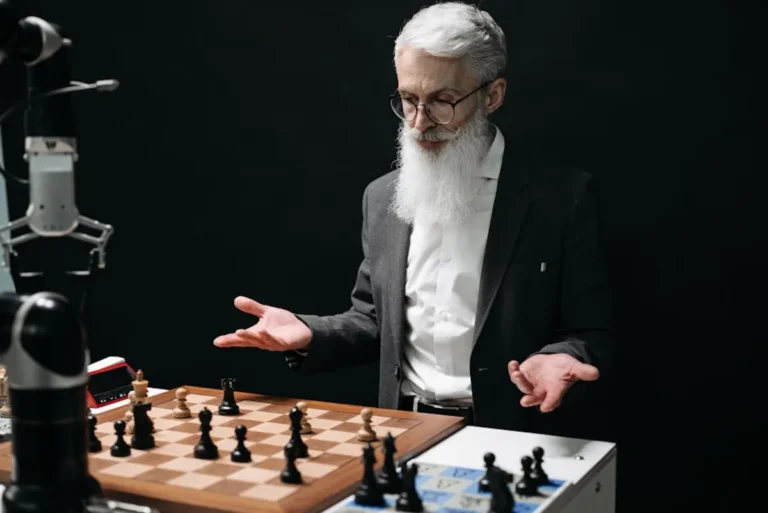
Improving a chess rating involves a systematic approach to practice, combining active play with focused study. A rating, whether FIDE, USCF, or an online platform's proprietary system, serves as a numerical representation of a player's skill level relative to others. Understanding how these systems function—primarily by adjusting points based on game outcomes against opponents of varying strengths—is the first step. The goal isn't just to accumulate points, but to cultivate the underlying skills that lead to consistent performance gains. For beginners, understanding how these systems function is the first step toward navigating the world of competitive chess.
Establishing a Structured Training Regimen
Effective rating improvement stems from a structured training regimen that addresses all facets of the game. Random play, while enjoyable, rarely yields significant, sustained progress. A dedicated practice schedule should integrate analytical work, tactical drills, and strategic understanding.
Prioritizing Tactical Acumen
Tactics are the bedrock of chess. A high percentage of games, particularly at intermediate levels, are decided by tactical blunders or missed opportunities. Consistent tactical training sharpens pattern recognition and calculation skills. This involves solving a variety of puzzles daily, focusing on themes like forks, pins, skewers, discovered attacks, and back-rank mates.
- Puzzle Difficulty: Start with puzzles slightly above your current comfort level to encourage growth, but ensure a high success rate (70-80%) to build confidence and reinforce correct patterns.
- Timed Sessions: Practice solving puzzles under time constraints to simulate game pressure and improve calculation speed.
- Thematic Puzzles: Focus on specific tactical themes for a period to deepen understanding of each pattern.
Mastering Endgames
Many players neglect endgame study, leading to dropped points in otherwise well-played games. Endgames often require precise calculation and a deep understanding of fundamental principles. Knowledge of common pawn endings, rook endings, and basic checkmating patterns can convert draws into wins or save lost positions.
Key Focus Areas:
- King and pawn vs. king
- Rook and pawn vs. rook
- Opposite-colored bishops
- Lucena and Philidor positions
Regularly practicing these fundamental positions solidifies theoretical knowledge, which then translates into practical advantage during games.
Developing a Robust Opening Repertoire
While openings are often overemphasized by beginners, a solid understanding of your chosen openings provides a comfortable starting point for the middlegame. This doesn't mean memorizing long lines, but rather understanding the strategic ideas, typical pawn structures, and common tactical motifs associated with your chosen openings.
Approach:
- Select a few openings for White and Black (one for 1.e4, one for 1.d4, etc.) and stick with them.
- Study master games played in your chosen openings to grasp the strategic plans.
- Analyze your own games to see where your opening preparation ends and where you start making independent decisions.
Analyzing Your Own Games
Perhaps the most potent tool for rating improvement is the thorough analysis of your own games, win or lose. This process moves beyond simply reviewing moves and delves into understanding the decision-making process at critical junctures.
Pro Tip: When analyzing your games, first review them without an engine. Try to identify your own mistakes, missed opportunities, and critical moments. Only then should you use an engine to verify your findings and uncover deeper insights. This self-reflection is crucial for genuine learning.
Focus on:
- Critical Moments: Identify turns where the game's momentum shifted or a decisive mistake was made.
- Time Management: Review how you allocated your time. Did you rush critical decisions or spend too long on trivial moves?
- Pattern Recognition: Did you miss a familiar tactical pattern or fail to recognize a strategic theme?
- Emotional State: Reflect on how your emotional state influenced your play, especially after making a mistake.
Leveraging Online Platforms and Resources
Modern chess practice is significantly enhanced by digital tools. Online platforms offer unparalleled access to opponents, tactical puzzle generators, and extensive game databases. These resources facilitate consistent practice and provide immediate feedback.
Considerations for Online Play:
- Variety of Time Controls: Engage in different time controls, from blitz (fast) to classical (slow), to develop various skills. Blitz sharpens intuition and speed, while classical games allow for deeper calculation and strategic planning.
- Game Databases: Study master games and thematic positions using online databases. Filtering by opening or player can provide valuable insights into high-level play.
- Engine Analysis: Use chess engines as a tool for objective analysis, but not as a crutch. Understand why the engine suggests certain moves rather than just accepting them.
Cultivating a Growth Mindset and Discipline
Rating improvement is rarely linear. There will be plateaus and even temporary dips. A growth mindset, focusing on learning from every game rather than solely on the outcome, is vital. Discipline in maintaining a consistent study schedule, even when motivation wanes, also plays a significant role.
Practical Steps:
- Set Realistic Goals: Aim for incremental rating gains rather than dramatic jumps.
- Manage Tilt: Learn to recognize and manage emotional responses to losses. Taking a break after a tough loss can prevent further poor play.
- Seek Feedback: If possible, have stronger players review your games or join a chess club for peer learning.
Sustained Improvement Through Deliberate Practice
Consistent rating improvement in chess is a direct result of deliberate practice. This means moving beyond passive consumption of information and actively engaging with the material, constantly testing your understanding, and rigorously analyzing your performance. By systematically addressing weaknesses, reinforcing strengths, and maintaining a disciplined approach, players can achieve sustained progress in their chess journey. The numerical rating then becomes a reflection of this deeper, more fundamental skill development.
Frequently Asked Questions
How often should I practice to improve my rating?
Consistency is more important than duration. Aim for daily, focused sessions, even if only 30-60 minutes, rather than sporadic long sessions. Regular exposure to puzzles, game analysis, and active play yields better long-term results.
Is it better to play many fast games or fewer slow games?
Both have value. Fast games (blitz, rapid) improve intuition and time management, while slow games (classical) allow for deeper calculation and strategic planning. A balanced approach, incorporating both, is most effective for comprehensive skill development.
Should I use a chess engine to analyze all my games?
Initially, analyze your games without an engine to develop your own critical thinking. After your self-analysis, use an engine to identify overlooked mistakes and deeper strategic nuances. Relying solely on an engine can hinder your independent analytical skills.
What is "tilt" in chess and how can I avoid it?
"Tilt" refers to an emotional state, often after a frustrating loss or blunder, where a player's performance degrades due to anger, impatience, or anxiety. To avoid it, recognize the signs, take a break after a bad loss, and focus on the learning process rather than just the outcome.