
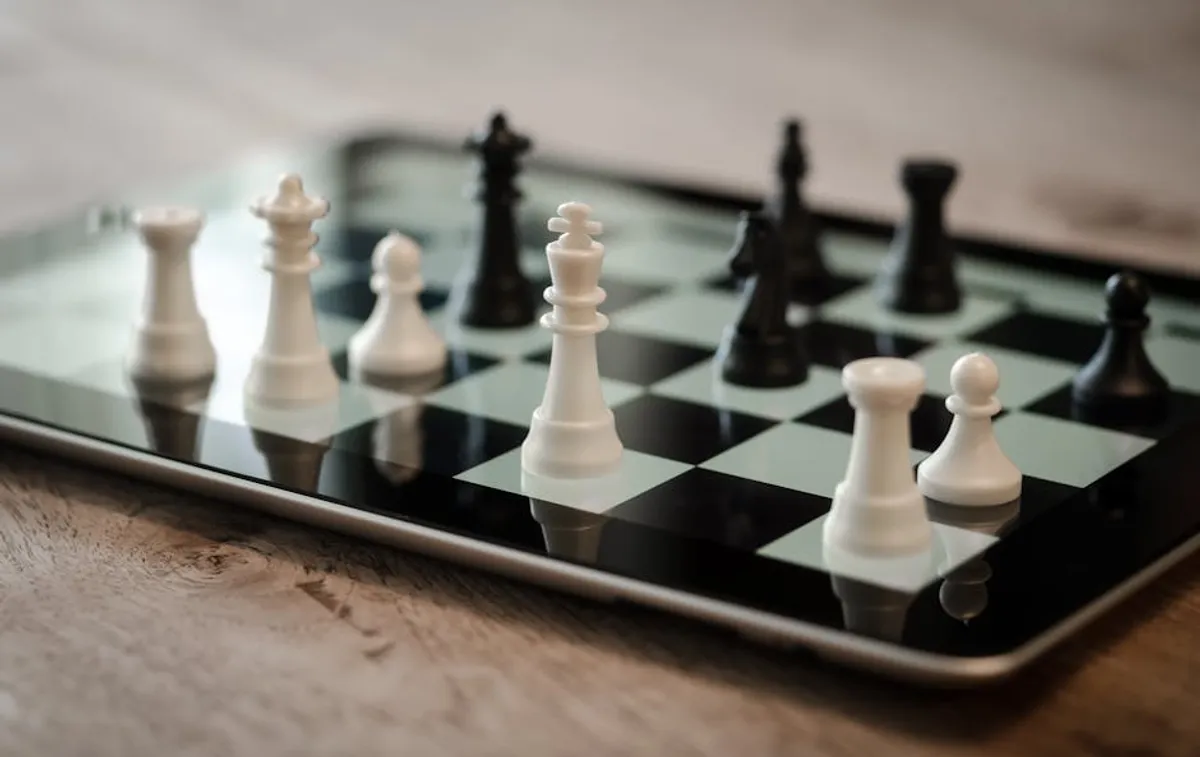
While openings set the stage and middlegames unfold the drama, it is often the endgame that determines the final outcome of a chess match. Many players invest heavily in memorizing opening lines and understanding complex middlegame tactics, yet neglect the precise, often counter-intuitive principles that govern the final phase. This oversight frequently leads to squandered advantages or missed opportunities to salvage draws from inferior positions. Mastering endgame basics translates directly into a higher win rate and greater resilience, providing the foundational knowledge to convert small edges into decisive victories and to defend against seemingly overwhelming threats. Focusing on these foundational concepts will help you avoid common endgame mistakes and convert winning positions more reliably.
Core Principles of Endgame Play
Endgames operate under a distinct set of rules and priorities compared to earlier phases of the game. Understanding these fundamental shifts is critical for effective play.
King Activity
In the opening and middlegame, the king is primarily a defensive piece, often castled to safety. In the endgame, however, with fewer pieces on the board and reduced attacking threats, the king transforms into an active, offensive participant. Its role shifts to supporting pawns, restricting the opponent's king, and participating directly in checkmate patterns. A king that remains passive on the back rank in the endgame is a severe disadvantage, as it cannot contribute to pawn promotion or defensive tasks.
Pawn Promotion
The primary objective in most endgames is the promotion of a pawn to a queen (or another piece). With fewer pieces to block or capture them, pawns gain immense power and become the central focus. Understanding how to create passed pawns, shepherd them to the eighth rank, and prevent the opponent's pawns from promoting is paramount. The value of a pawn increases dramatically in the endgame, often outweighing the value of minor pieces in certain scenarios.
Opposition
Opposition is a fundamental king technique used to gain a tempo or force the opponent's king into an unfavorable position. It occurs when two kings stand on the same rank, file, or diagonal, separated by an odd number of squares (usually one). The player whose turn it is to move, when their king is "opposed," is at a disadvantage because they must move their king away, allowing the opponent's king to advance or gain a critical square. Mastering direct, diagonal, and distant opposition is essential for king-and-pawn endgames.
Tempo and Zugzwang
Tempo, or the timing of moves, becomes incredibly critical in endgames. A single wasted move can be the difference between winning and drawing, or drawing and losing. Related to tempo is the concept of zugzwang, a German term meaning "compulsion to move." In a zugzwang position, any legal move a player makes will worsen their position, even if it's the only move available. Creating or recognizing zugzwang is a powerful endgame weapon, often achieved through precise king maneuvers and pawn pushes. Understanding concepts like tempo and zugzwang is akin to mastering fundamental chess tactics, allowing for greater control and strategic depth in critical moments.
Essential Endgame Scenarios
Specific endgame types recur frequently and demand memorized techniques for consistent results.
King and Pawn vs. King
This is arguably the most common and instructive endgame. The key concepts here are the "square of the pawn" and opposition. The square of the pawn is an imaginary square defined by the pawn's current position, its promotion square, and the squares on the same rank as its current position, extending to the file of its promotion square. If the defending king can enter this square, it can prevent the pawn from promoting. Opposition, as discussed, is crucial for the attacking king to clear a path for its pawn or to block the defending king.
- Winning technique: Use king opposition to force the defending king away from the promotion square, then push the pawn.
- Drawing technique: The defending king must enter the square of the pawn or maintain opposition from the front.
King and Queen vs. King
This is a fundamental checkmating pattern that every player must know. The queen, with the help of its king, forces the lone king to the edge of the board and then delivers checkmate. The technique involves using the queen to restrict the opponent's king to a smaller and smaller "box," while the attacking king approaches to deliver the final blow. It's a precise, forced mate in a relatively small number of moves.
King and Rook vs. King
Similar to the queen vs. king endgame, the king and rook vs. king involves forcing the lone king to the edge of the board. The "box" method is also applicable here, where the rook cuts off the king's escape routes along a rank or file, and the attacking king assists in shrinking the box and ultimately delivering checkmate. This mate requires more coordination than queen vs. king but is equally essential to master.
King and Minor Piece vs. King
Endgames involving a king and a single bishop or knight against a lone king are generally draws, as these pieces alone cannot force checkmate against a competent defense. However, if the defending king is cornered in a specific color square for a bishop, or a specific corner for a knight, mate can sometimes be achieved if the defending king makes an error. Understanding these exceptions prevents missed wins or unnecessary losses.
Pro Tip: In endgames, always calculate pawn races and king paths precisely. A single tempo can be decisive. Before making a move, visualize the entire sequence to promotion or checkmate, paying close attention to who is "on move" in critical positions.
Cultivating Endgame Proficiency
Developing strong endgame skills requires dedicated study and practice, moving beyond theoretical understanding to practical application.
Structured Study and Practice
Engage with endgame studies and puzzles. Many chess books and online platforms offer dedicated sections for endgame training, presenting positions where the solution hinges on a specific technique or principle. Regularly practicing these scenarios reinforces the patterns and calculation methods necessary for success. Start with the most basic two-piece endings and gradually progress to more complex pawn endgames.
Transitioning to Endgame Thinking
Learn to recognize when a game is transitioning into an endgame. This often occurs when most major and minor pieces have been exchanged, leaving primarily kings and pawns, or a few pieces each. At this point, priorities shift: king safety becomes king activity, pawn structure becomes paramount, and the value of tempo increases significantly. Proactively plan for the endgame by considering pawn structures and piece exchanges that favor your side in the coming phase.
Actionable Endgame Improvement
To tangibly improve your endgame performance, focus on these specific areas:
1. Master Opposition: Practice king-and-pawn endgames until you can consistently apply direct, diagonal, and distant opposition to gain tempo or block the opponent's king. This is a non-negotiable skill for converting simple pawn advantages.
2. Learn Basic Mates: Ensure you can reliably checkmate with King & Queen vs. King and King & Rook vs. King. These are fundamental and prevent drawing won positions.
3. Understand Pawn Structures: Analyze how pawn majorities, passed pawns, and pawn islands influence endgame outcomes. Recognize when to push pawns and when to hold them, and how to create a decisive passed pawn.
4. Calculate Accurately: Endgames demand precise calculation. Work on visualizing sequences several moves deep, especially in pawn races, to avoid blunders and find the optimal path to victory or a draw.
Frequently Asked Questions
Q: Why are endgames considered so important in chess?
A: Endgames are crucial because they are the final stage where advantages are converted into wins, or disadvantages are defended into draws. Many games are decided not by brilliant opening theory or middlegame tactics, but by precise endgame technique.
Q: What is the "square of the pawn" and how does it apply?
A: The "square of the pawn" is a mental tool used in king-and-pawn endgames. If the defending king can step into this imaginary square (formed by the pawn's current position, its promotion square, and the corresponding squares on its rank), it can prevent the pawn from promoting. It helps determine if a pawn can promote without king support.
Q: Should I prioritize learning all endgame types at once?
A: No, it's more effective to learn endgames incrementally. Start with the most basic and common scenarios, such as King & Pawn vs. King, King & Queen vs. King, and King & Rook vs. King. Once these are mastered, move on to more complex endings involving minor pieces or multiple pawns.
Q: How can I practice endgames effectively?
A: Utilize endgame puzzles and studies. Many chess books and online platforms offer specific exercises for different endgame types. Setting up positions on a physical board and analyzing them without engine assistance also greatly enhances understanding and calculation skills.



