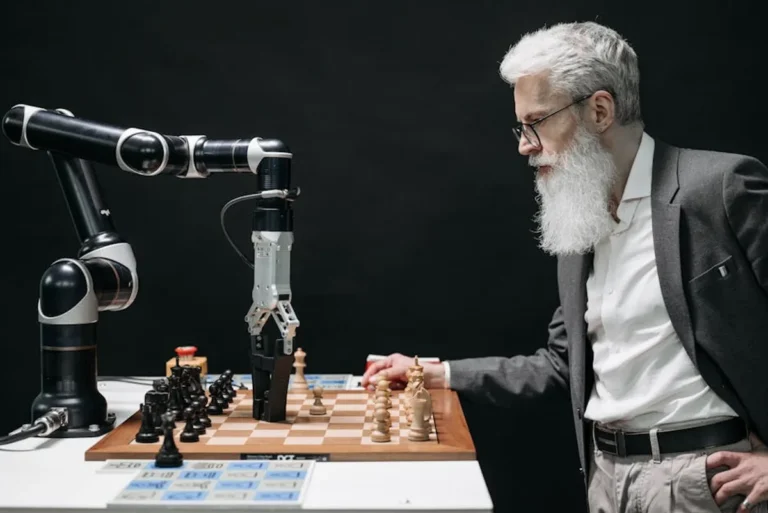
For many aspiring chess players, the path to improvement often appears to be paved with endless opening variations, each requiring meticulous memorization. This approach, while seemingly logical, frequently leads to frustration, burnout, and a superficial understanding of the game. Instead of building a robust foundation, players become reliant on recalling specific move sequences, often faltering once the opponent deviates from a known line. A more strategic and sustainable method focuses on understanding underlying principles, developing adaptable skills, and building a flexible repertoire that serves you throughout the game, rather than just the initial moves.
Prioritizing Opening Principles Over Specific Lines
Effective chess improvement hinges on grasping the fundamental ideas that dictate good play, rather than rote memorization. Openings are not isolated sequences; they are the initial phase where strategic objectives are set. Understanding these objectives allows for informed decision-making, even when faced with unfamiliar moves.
Center Control and Piece Development
The battle for the center of the board—the d4, e4, d5, e5 squares—is paramount. Controlling these squares facilitates piece activity and creates space for your forces. Simultaneously, developing your pieces efficiently means bringing them into active play, typically knights and bishops, before moving pawns unnecessarily. Each developed piece should contribute to central control or king safety. This systematic approach ensures your army is ready for the middlegame, regardless of the precise opening sequence.
King Safety and Castling
Your king's safety is non-negotiable. Early castling, typically on the kingside, is a primary mechanism to secure the king behind a pawn shield and connect the rooks. Neglecting king safety in the opening can lead to swift tactical defeats. Understanding the various threats to the king and how to mitigate them through proper development and pawn structure is a principle that transcends specific opening lines. It's a constant consideration from move one.
Pawn Structure Awareness
Pawn structures are the skeleton of your position, influencing piece activity, strategic plans, and long-term advantages. Understanding how different pawn formations (e.g., isolated pawns, doubled pawns, pawn chains) impact the game provides a deeper insight than simply memorizing moves. Learning to create favorable pawn structures and exploit unfavorable ones in your opponent's position is a strategic skill that offers lasting benefit, providing a framework for middlegame planning long after the opening book ends. This strategic understanding is also a key component when looking for chess openings tips to improve faster.
Building a Repertoire, Not a Library
Instead of attempting to master every known opening, a more efficient approach involves selecting a concise, well-understood repertoire. This allows for deeper exploration and understanding of the chosen systems.
Selecting a Few Core Openings
Focus on one or two main openings for White (e.g., 1. e4 or 1. d4) and a couple of reliable defenses against White's common first moves (e.g., Sicilian Defense against 1. e4, Queen's Gambit Declined against 1. d4). The goal is to understand the typical plans, pawn structures, and tactical motifs associated with these openings. This depth of knowledge provides a solid foundation, enabling you to play confidently and strategically, rather than relying on fragile memory recall.
Understanding Opponent's Responses
Your chosen openings will have common responses from your opponent. Instead of memorizing every sub-variation, understand the *ideas* behind these responses. Why does your opponent play a particular move? What are their goals? By analyzing the strategic intent behind their moves, you can react dynamically and adapt your plans, rather than being thrown off by an unexpected deviation. This analytical skill is far more valuable than rote memorization.
Leveraging Databases for Patterns, Not Rote
Online chess databases are invaluable tools, but their utility lies in revealing patterns and common themes, not in providing endless lines to memorize. Use them to identify critical positions, understand typical tactical sequences, and see how grandmasters handle specific structures. Observe the strategic goals players pursue in different lines. This analytical use of databases enhances your understanding of opening principles and strategic planning, rather than just filling your memory with move sequences.
Pro Tip: After each game, regardless of outcome, dedicate time to self-analysis. Review your opening, identify where you deviated from principles, or missed a strategic opportunity. Compare your moves to a chess engine's recommendations, not to find the "best" move, but to understand *why* a different move might have been better. This iterative process of play and analysis is crucial for genuine improvement.
Post-Opening Strategy and Transition to Middlegame
The opening phase is merely a prelude. True chess mastery lies in the ability to transition effectively into the middlegame and execute strategic plans.
Identifying Key Plans
As the opening concludes, you should have a clear idea of your strategic objectives. Are you aiming for a kingside attack, queenside expansion, central breakthrough, or a positional squeeze? These plans are often dictated by the pawn structure and piece placement established in the opening. The ability to formulate and pursue a coherent plan is a hallmark of strong play, distinguishing it from aimless maneuvering.
Tactical Vision and Calculation
Tactics are the lifeblood of chess. The capacity to spot forks, pins, skewers, discovered attacks, and other tactical motifs, and to calculate their consequences accurately, is far more impactful than memorizing opening lines. Regular tactical puzzle solving is essential for sharpening this skill. Strong tactical vision allows you to capitalize on opponent errors and create your own opportunities, often arising from seemingly quiet positions.
Positional Understanding
Positional understanding involves evaluating the strengths and weaknesses of a position, understanding the long-term implications of moves, and identifying subtle advantages. This includes factors like pawn structure, piece activity, king safety, and control of key squares. Developing this skill requires studying master games, analyzing your own games, and learning from commentaries that explain strategic nuances. It's about developing an intuitive feel for the board, which cannot be memorized.
Practical Application and Study Methods
Consistent, targeted study methods accelerate improvement without relying on brute-force memorization.
- Game Analysis (Your Own and Masters'): Systematically review your games, identifying critical moments, mistakes, and missed opportunities. Supplement this by studying annotated master games, focusing on the strategic thinking behind their moves, not just the moves themselves.
- Puzzle Solving and Tactical Drills: Dedicate daily time to solving tactical puzzles. This sharpens your calculation skills and improves your ability to spot tactical patterns in live games. Start with simpler puzzles and gradually increase difficulty.
- End-Game Study: Many games are decided in the endgame, yet this phase is often neglected. Learn fundamental endgame principles and common positions (e.g., king and pawn endings, rook endings). A solid endgame technique can salvage a worse position or convert a small advantage into a win.
Implementing a Strategic Improvement Plan
True improvement in chess, much like in any complex domain, comes from a structured, analytical approach rather than sheer memorization. By focusing on principles, building a manageable repertoire, understanding strategic transitions, and engaging in targeted practice, you develop a deeper, more resilient understanding of the game. This method not only yields better results but also fosters a more enjoyable and sustainable learning process, equipping you to handle any position with confidence and strategic foresight.
Frequently Asked Questions
Is memorizing openings ever useful for improvement?
Limited memorization of critical main lines can be useful once you have a solid understanding of the underlying principles. It saves time in the opening and allows you to reach familiar middlegame positions, but it should never replace conceptual understanding.
How many openings should I learn for White and Black?
For White, choose one or two main openings. For Black, select one reliable defense against 1.e4 and one against 1.d4, along with a response to common flank openings like 1.c4 or 1.Nf3. Focus on understanding these deeply.
What is the most important skill to develop in chess?
Tactical vision and calculation are arguably the most crucial skills. The ability to spot and execute tactical sequences, and to accurately calculate variations, can often decide games regardless of opening knowledge.
How can I improve my positional understanding?
Study annotated master games, paying attention to the strategic explanations. Analyze your own games to identify positional weaknesses or strengths. Read books on positional play and themes like pawn structures, piece activity, and prophylaxis.