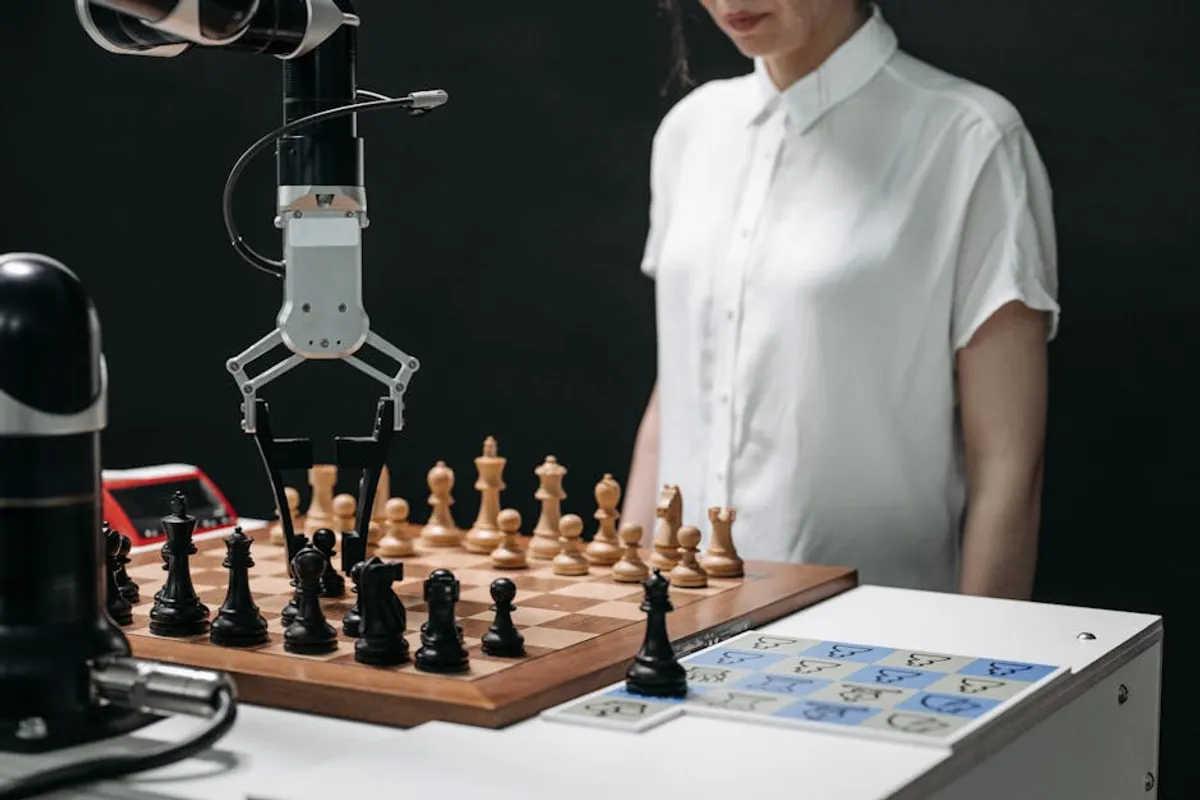
Preparing for a chess tournament extends beyond simply knowing how to play; it involves a structured, multi-faceted approach designed to optimize performance under pressure. Success in competitive chess frequently hinges on the depth of preparation across openings, middlegames, endgames, and even physical and mental conditioning. This guide outlines a systematic framework for preparing effectively, aiming to convert potential into tangible tournament results.
Strategic Opening Preparation
Your opening repertoire forms the initial blueprint for each game. Effective preparation here means more than rote memorization; it involves understanding the underlying strategic ideas and common tactical motifs. A well-chosen and deeply understood opening can provide a significant advantage from the first move.
Building an Opening Repertoire
Select openings that align with your playing style and comfort level. If you prefer tactical complications, choose lines that lead to open, dynamic positions. If you favor positional play, opt for more closed or semi-closed structures. The goal is to establish a consistent set of responses for both white and black, covering the most common first moves (1.e4, 1.d4, 1.c4, 1.Nf3). Focus on understanding the typical pawn structures, piece placement goals, and strategic plans for each line. Utilize online databases and reputable opening books to explore main lines and critical variations. This approach ensures you are playing positions you comprehend, rather than merely recalling sequences of moves.
Analyzing Opponent Openings
When possible, research your specific opponents' opening preferences. Many tournament platforms or chess databases allow access to past game records. Identify their common responses, preferred systems, and any discernible weaknesses or less-explored lines. This pre-game scouting allows you to tailor your preparation, potentially leading to an early advantage by playing into positions where you have a deeper understanding or where your opponent is less comfortable. This targeted preparation can save valuable clock time during the game and increase confidence.
Middlegame Mastery and Tactical Acumen
The middlegame is where strategic plans are executed and tactical opportunities often arise. Strong middlegame play requires both sharp tactical vision and a profound positional understanding.
Pattern Recognition and Tactical Drills
Consistent tactical training is non-negotiable. Dedicate time daily to solving puzzles that feature common tactical themes such as forks, pins, skewers, discovered attacks, and back-rank mates. The objective is to improve pattern recognition, allowing you to spot these opportunities (and defend against them) quickly during a game. Websites and software offering customizable tactical puzzles, sorted by theme and difficulty, are valuable resources. Aim for accuracy and speed, as both are critical under tournament conditions. The objective is to improve pattern recognition, allowing you to spot these opportunities (and defend against them) quickly during a game, by practicing common tactical themes.
Positional Understanding
Beyond tactics, developing a strong positional sense is crucial. Study annotated master games, focusing on how grandmasters handle pawn structures, develop pieces, control key squares, and create weaknesses in their opponent's position. Practice evaluating positions by identifying strengths, weaknesses, and potential plans for both sides. This involves understanding concepts like space advantage, pawn majorities, weak squares, and prophylactic moves. Positional understanding guides your piece play and helps you navigate complex middlegame scenarios without immediate tactical solutions.
Endgame Proficiency
Many games are decided in the endgame. A solid understanding of fundamental endgame principles can convert a slight advantage into a win or save a seemingly lost position.
Essential Endgame Knowledge
Master the basic checkmates (e.g., king and queen vs. king, king and rook vs. king). Progress to understanding king and pawn endgames, which are foundational for many other endgame types. Study rook endgames, particularly the Lucena and Philidor positions, as these occur frequently. Practice converting material advantages and defending against them. Knowing how to play common endgames reduces the mental load in complex positions, as you can simplify into known winning or drawing scenarios.
Physical and Mental Conditioning
Chess tournaments are not just intellectual battles; they are also endurance tests. Long games, multiple rounds, and high-stakes decisions demand significant physical and mental stamina.
Maintaining Physical Health
Prioritize adequate sleep in the weeks leading up to the tournament. A well-rested mind functions more effectively under pressure. Maintain a balanced diet, avoiding heavy, energy-draining foods during the tournament. Regular light exercise (e.g., walking, stretching) can help manage stress and improve blood flow to the brain, enhancing focus and concentration throughout demanding playing sessions.
Mental Fortitude and Focus
Develop pre-game routines that help you focus and manage nerves. This could include a short walk, meditation, or reviewing a few simple tactical puzzles. Practice staying calm under pressure by simulating tournament conditions in your training games. Learn to detach from past mistakes or the outcome of previous games during a tournament. Focus solely on the current position and the immediate decision. Techniques like deep breathing can help regain composure after making an error or facing a difficult situation.
Pro Tip: Avoid last-minute, intense study sessions immediately before a tournament or between rounds. Cramming can lead to mental fatigue and confusion. Instead, trust your preparation and engage in light review or relaxation. Over-preparation can be as detrimental as under-preparation, leading to burnout and impaired decision-making.
Pre-Tournament Logistics and Game Day Strategy
Successful tournament play also involves careful planning of practical aspects and a disciplined approach on game day.
- Review Tournament Regulations: Understand the time controls, tie-break rules, and any specific equipment requirements.
- Pack Essentials: Bring a comfortable pen/pencil, a notebook for scores, a reliable chess clock (if required), water, and light, non-messy snacks for sustained energy.
- Comfortable Attire: Wear clothing that allows you to sit comfortably for extended periods without distraction.
- Travel and Accommodation: Plan your travel to ensure timely arrival without rushing. If staying overnight, choose accommodation that allows for good rest.
Game Day Routine
Arrive at the venue with ample time to spare, avoiding last-minute stress. Locate your board and opponent. Avoid intense analysis or debate with other players before your game, as this can drain mental energy. During the game, maintain a consistent routine: analyze the position, formulate a plan, calculate variations, and then make your move. After each game, resist the urge for immediate, deep self-criticism. A brief review of critical moments is useful, but save comprehensive analysis for after the tournament to preserve mental energy for subsequent rounds.
Actionable Steps for Tournament Readiness
Effective tournament preparation is an ongoing process, not a one-time event. Integrate these practices into your regular chess study routine. Consistent effort across all areas—openings, middlegames, endgames, and personal well-being—will yield the most significant improvements. Prioritize understanding over memorization, and always aim to play positions where you feel strategically comfortable. By approaching tournament preparation systematically, you build a robust foundation for competitive success and enhance your overall enjoyment of the game.
Frequently Asked Questions
How much time should I dedicate to tournament preparation?
The ideal time commitment varies by individual and tournament level, but consistent daily study (e.g., 1-2 hours) for several weeks leading up to the event is more effective than sporadic cramming. Focus on balanced study across all phases of the game.
Should I study my opponent's games before a tournament?
If feasible, researching an opponent's opening preferences and common strategic tendencies can offer a significant advantage. This targeted preparation allows you to anticipate their approach and tailor your own strategy, but avoid over-reliance, as opponents may vary their play.
What if I feel nervous during a game?
Nervousness is common. Practice deep breathing exercises to calm yourself. Focus on the current position and the objective task at hand, rather than the outcome. Remind yourself that you have prepared, and trust your training.
Is it better to focus on openings or endgames?
A balanced approach is best. Strong opening play provides a solid foundation, but many games are decided in the endgame. Neglecting either phase can be costly. Dedicate time proportionally to where you feel weakest or where you anticipate the most impact on your results.