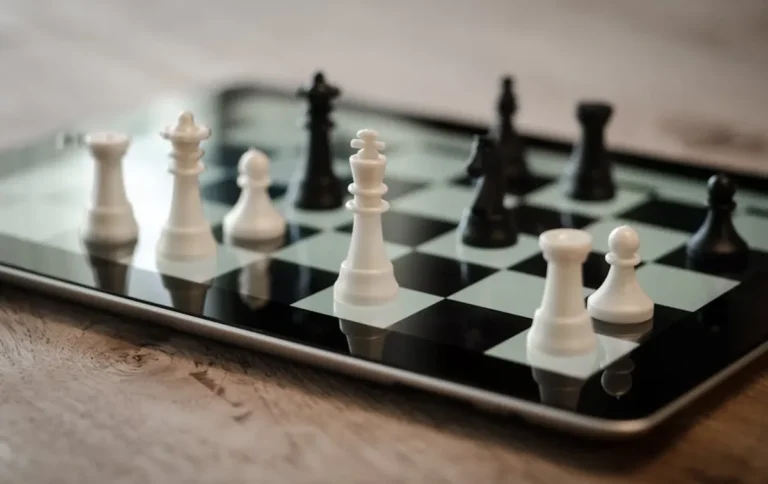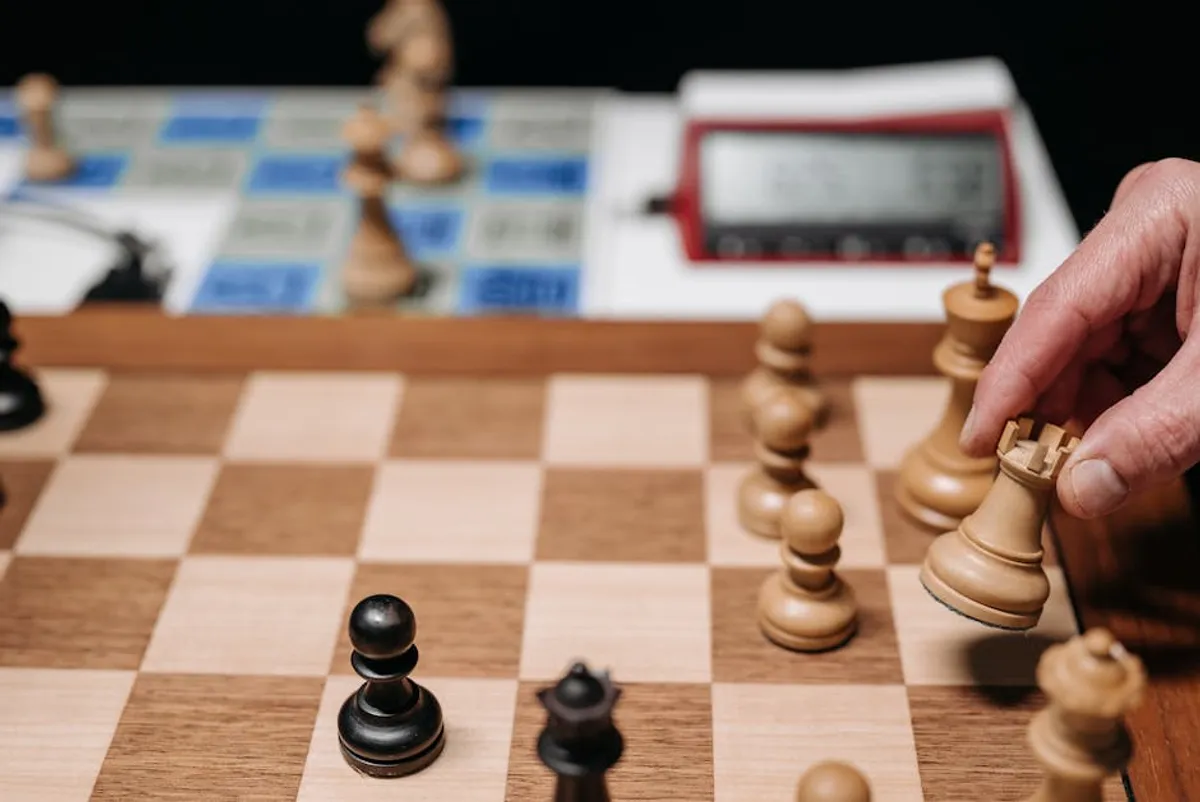
Blitz chess demands rapid decision-making under severe time constraints, often leading new players to overlook fundamental principles in their haste. The compressed clock, typically three to five minutes per side, transforms standard chess strategy into a test of intuition, pattern recognition, and nerve. Without a structured approach, new players frequently fall victim to time trouble, tactical oversights, or an inability to convert winning positions. This guide provides a systematic checklist, designed to equip new blitz players with actionable steps and mental frameworks to navigate the accelerated pace and improve their performance from the very first move. This guide provides a systematic checklist, designed to equip new blitz players with actionable steps and mental frameworks to navigate the acc and apply fundamental chess strategy for beginners.
Setting the Stage: Pre-Game Essentials
Success in blitz often begins before the first move is even played. Establishing a clear mental and physical environment can significantly reduce common errors and enhance focus when the clock starts ticking.
Mindset and Focus
Entering a blitz game with a cluttered mind or a defeatist attitude compromises performance. Before clicking "play," dedicate a few moments to mental preparation. This involves acknowledging the inherent speed of the format and accepting that mistakes are inevitable. The goal is not perfection, but resilience and efficiency.
- Acknowledge Time Pressure: Understand that every second counts and cultivate a mindset of quick, decisive action.
- Accept Mistakes: Blitz is prone to errors. Focus on recovering from blunders rather than dwelling on them.
- Maintain Composure: Avoid tilting after a bad move or loss; reset your focus for the next game.
Physical Setup
Distractions are amplified in blitz. A clean, quiet playing environment minimizes external interference, allowing for deeper concentration on the board. Ensure your mouse, keyboard, and internet connection are reliable, as technical glitches can be particularly disruptive in time-sensitive games.
Best for: Reducing avoidable losses due to external factors.
Navigating the Opening: First Moves
The opening phase in blitz is about achieving a playable position quickly without expending too much time. New players often get bogged down trying to recall specific lines, which is counterproductive under time pressure. New players often get bogged down trying to recall specific lines, which is counterproductive under time pressure, leading to common tactical mistakes in blitz.
Rapid Development
Prioritize getting your pieces into active positions. This means moving pawns to control the center, developing knights and bishops, and castling your king to safety. Avoid unnecessary pawn moves or bringing out the queen too early, which can lead to tempo loss.
Pro Tip: In blitz, prioritize making *a* legal move over finding the *perfect* move when under severe time pressure. A decent move with time remaining is often better than a perfect move after the flag falls.
Avoiding Early Blunders
Double-check your opponent's last move for immediate threats. Simple tactical blunders—leaving pieces undefended, falling for basic forks or pins—are common in blitz openings. A quick scan for these before making your move can prevent early disaster.
Middlegame Execution: Tactics and Time
The middlegame is where most blitz games are decided. It requires a blend of tactical awareness and prudent time management.
Tactical Vision
Constantly look for tactical opportunities and threats. This includes forks, pins, skewers, discovered attacks, and back-rank mates. Similarly, be vigilant about your opponent's potential tactical shots. A quick "blunder check" before each move becomes critical.
Time Management Principles
Effective time management is perhaps the single most crucial skill in blitz. Avoid spending too much time on opening moves or non-critical positions. Allocate more time to complex positions or when your opponent is low on time. When severely low on time, prioritize making legal moves and creating counter-threats over finding the absolute best move.
Consider: The 30-second rule. If you can't decide on a move within 30 seconds (for a 5-minute game), make a reasonable move and move on. Overthinking one position can cost you the game.
Endgame Play: Converting Advantages
Many blitz games reach the endgame. Knowing fundamental endgame principles can turn a slight advantage into a win or save a draw from a losing position.
Simplification and King Activity
When you have a material or positional advantage, look for ways to simplify the position by trading pieces, especially rooks and queens, to reach a favorable endgame. Activate your king; it becomes a powerful attacking and defending piece in the endgame.
Pawn Endings Awareness
Pawn endgames are often decisive. Understand the concept of opposition, king activity, and passed pawns. A quick calculation of pawn races can often determine the outcome.
Post-Game Reflection: Continuous Improvement
Learning from each game, regardless of the outcome, is essential for long-term improvement.
Reviewing Key Moments
After each game, especially losses, quickly review the critical moments. Identify where you went wrong, whether it was a tactical oversight, poor time management, or a strategic blunder. Focusing on one or two key takeaways per game is more effective than trying to analyze every move.
Actionable: Pinpoint the exact move where your advantage was lost or a winning opportunity was missed. This targeted review helps build pattern recognition.
Improving Your Blitz Play
Consistently applying this checklist transforms raw speed into effective play. Blitz chess is a skill that improves with deliberate practice. Focus on internalizing these principles so they become second nature, allowing you to react instinctively under pressure. Regularly reviewing your games and identifying recurring weaknesses will refine your approach, leading to more wins and a deeper understanding of the game.
Frequently Asked Questions
What is the most common mistake new blitz players make?
The most common mistake is poor time management, often spending too much time on opening moves or non-critical positions, leading to severe time trouble later in the game.
Should I study openings specifically for blitz?
While general opening principles are crucial, memorizing long, complex lines is less effective in blitz. Focus on understanding the ideas behind a few reliable openings that lead to comfortable middlegame positions.
How can I improve my tactical vision under time pressure?
Consistent practice with tactical puzzles is key. Solving puzzles quickly and accurately trains your brain to spot patterns and threats rapidly, which directly translates to better tactical vision in blitz games.
Is it better to play fast and blunder, or play slow and lose on time?
In blitz, it's generally better to play fast and make a few blunders than to play slow and lose on time. A bad move that keeps the clock running offers a chance for recovery; running out of time offers none.