
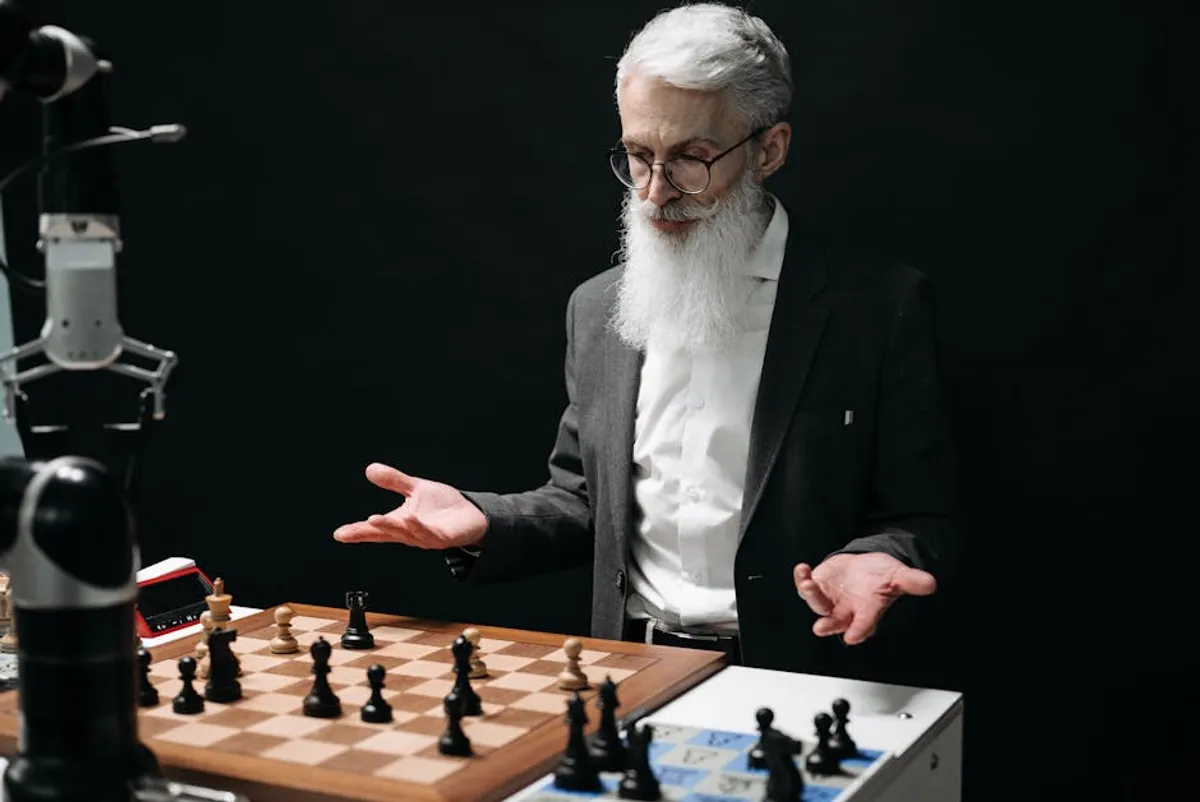
New chess players often find their games decided not by grand strategic plans, but by missed tactical opportunities or costly blunders. While understanding openings and endgames is valuable, tactical proficiency forms the bedrock of consistent improvement. This checklist provides a structured approach to identifying and executing common tactical motifs, designed to help you systematically scan the board, recognize patterns, and elevate your play from reactive to proactive. Mastering these fundamental concepts is not just about winning more games; it's about developing a deeper understanding of piece interactions and board dynamics, crucial for any aspiring player. While understanding openings and endgames is valuable, mastering valuable endgame concepts is key to converting advantages.
Foundational Tactical Motifs
Developing a tactical eye begins with recognizing common patterns. Each motif exploits specific vulnerabilities in your opponent's position, often leading to material gain or a decisive attack on the king.
Forks: Simultaneous Attacks
A fork occurs when a single piece attacks two or more of your opponent's pieces simultaneously. Knights are particularly adept at forks due to their unique L-shaped movement, but queens, rooks, and even pawns can execute them. The key is to create a situation where your opponent cannot defend both threatened pieces, forcing a material loss.
Pro Tip: When scanning for forks, prioritize attacks on the king, queen, or any undefended pieces. A king-and-rook fork, for instance, often results in winning the rook.
Pins: Restricting Movement
A pin occurs when an attacking piece (usually a rook, bishop, or queen) restricts the movement of an opponent's piece because moving it would expose a more valuable piece behind it. There are two main types:
- Absolute Pin: The pinned piece cannot move because it would expose the king to check. Moving an absolutely pinned piece is illegal.
- Relative Pin: The pinned piece can move, but doing so would expose a more valuable piece (like a queen or rook) behind it, leading to a material loss.
Pins are powerful because they neutralize a defender or create targets for further attacks.
Skewers: Reverse Pins
A skewer is similar to a pin but in reverse. An attacking piece threatens two aligned pieces, with the more valuable piece in front. The opponent must move the more valuable piece, exposing the less valuable piece behind it to capture. Skewers are often executed by rooks, bishops, and queens, leveraging long-range attacks.
Discovered Attacks and Checks: Unveiling Threats
A discovered attack occurs when one piece moves, unmasking an attack from another piece. If the unmasked attack is a check, it's called a discovered check, which is one of the most forcing tactical motifs. These tactics are effective because they create two threats simultaneously, making them difficult to defend against.
Back Rank Weaknesses: Exploiting King Safety
A back rank weakness arises when a king on its original back row is trapped behind its own pawns, with no escape squares. A rook or queen can then deliver a checkmate on the back rank if the king has no defenders or escape routes. This motif teaches the importance of creating "luft" (an escape square for the king) by moving a pawn in front of it.
Overloads and Deflections: Stressing Defenders
An overload occurs when a single defending piece is responsible for protecting multiple critical squares or pieces. A deflection tactic forces an overloaded piece to abandon one of its defensive duties, allowing another threat to succeed. This often involves attacking the overloaded piece or one of the pieces it defends, forcing a choice.
Decoys: Luring Pieces
A decoy tactic involves sacrificing a piece or pawn to lure an opponent's piece to a specific square, often a disadvantageous one. This square might be vulnerable to a fork, pin, skewer, or lead to a checkmate. Decoys are often used to clear a line, open a diagonal, or expose the king.
Zwischenzug (Intermediate Move): The In-Between Threat
A Zwischenzug, or "in-between move," is a forcing move inserted into a sequence of captures or threats. Instead of immediately responding to an opponent's threat, you make a more urgent counter-threat (often a check or a capture of a more valuable piece) that your opponent must address first. This changes the sequence of play, often to your advantage.
Applying the Tactical Search Checklist
Recognizing patterns is the first step; applying them systematically is the next. Use this checklist during every turn, both for your moves and when evaluating your opponent's potential threats.
Scan for Undefended Pieces
Begin by identifying any of your opponent's pieces that are not protected by another piece or pawn. These are prime targets for immediate capture or the basis for tactical combinations like forks or skewers. Also, check for your own undefended pieces to prevent blunders.
Evaluate King Safety and Escape Squares
Assess the safety of both kings. Look for open lines, weak pawn structures around the king, and any lack of escape squares (luft). These conditions are crucial for identifying potential back rank mates, checkmating patterns, or discovered checks.
Identify Piece Relationships and Lines
Look for alignments of pieces. Are two of your opponent's pieces on the same rank, file, or diagonal? This immediately suggests possibilities for pins, skewers, or discovered attacks. Pay attention to how your pieces interact with your opponent's, especially those that can attack from a distance (rooks, bishops, queens).
Calculate Forcing Moves: Checks, Captures, Threats
When considering a move, prioritize "forcing moves" – those that demand an immediate response from your opponent. This includes:
- Checks: Does your move put the opponent's king in check?
- Captures: Does your move capture an opponent's piece?
- Threats: Does your move threaten a piece, a square, or create a tactical motif?
Analyzing forcing moves first helps you uncover the most impactful sequences and limit your opponent's options.
Anticipate Opponent's Responses
After identifying your potential tactical move, always consider your opponent's likely responses. Don't just look one move ahead. Calculate two or three moves deep to ensure your tactical idea doesn't lead to a counter-tactic or a worse position for you. This step is critical for avoiding tactical blunders.
Consistent Practice for Tactical Mastery
Understanding these motifs is theoretical; applying them effectively in a game requires consistent practice. Solve tactical puzzles daily to train your pattern recognition. Review your own games to identify missed opportunities and tactical errors. This iterative process of learning, applying, and reviewing will solidify your tactical understanding.
Integrating Tactics into Your Game
This checklist is a tool to be internalized. Initially, you might consciously go through each step. With practice, the process becomes more intuitive. The goal is to develop a "tactical radar" that automatically flags potential opportunities and dangers on the board, allowing you to play with greater precision and confidence.
Frequently Asked Questions
How often should a new player practice tactics?
Consistent, daily practice is most effective. Even 15-30 minutes of dedicated tactical puzzle solving can significantly improve your pattern recognition and calculation skills over time.
What is the most common tactical blunder for new players?
New players frequently overlook undefended pieces, fail to see simple forks or pins, and miss discovered attacks. They also often neglect to check for their own king's safety after making a move.
Should I prioritize solving easy or hard tactical puzzles?
Begin with easier puzzles that reinforce fundamental patterns. As your accuracy improves, gradually increase the difficulty. The goal is to build a strong foundation of recognized motifs before tackling complex combinations.
Can I improve tactics without playing full games?
While playing games is essential for overall chess development, dedicated tactical practice through puzzles is highly effective for improving tactical vision. Many strong players attribute a significant portion of their improvement to focused tactical training. While playing games is essential for overall chess development, engaging in dedicated tactical practice through puzzles is highly effective for improving tactical vision.



