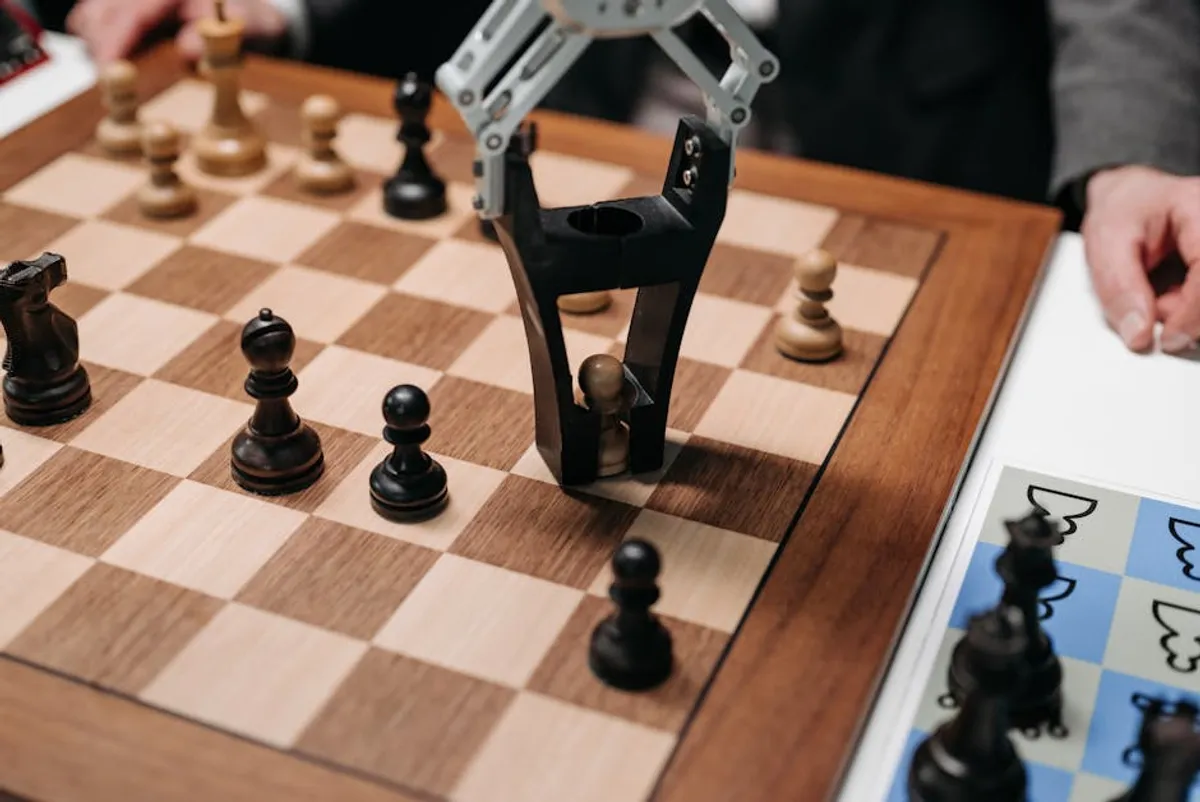
Mastering chess endgames is not merely about memorizing theoretical positions; it is about cultivating a deep understanding of fundamental principles that translate into practical winning technique. Many players focus intensely on openings and middlegames, only to find their hard-earned advantages dissipate in the final phase of the game. Effective endgame practice is a deliberate, structured process that converts theoretical knowledge into reliable execution, directly impacting win rates and overall rating improvement. This requires moving beyond casual play and adopting a systematic approach to learning, analyzing, and applying endgame concepts under various conditions. To truly convert theoretical knowledge into reliable execution, consider the best tips to improve faster and elevate your endgame play.
Understanding Endgame Fundamentals
Before diving into complex scenarios, a solid grasp of basic endgame principles is essential. These principles govern how pieces interact in simplified positions, guiding decisions when material is scarce and king activity becomes paramount. Understanding these foundational concepts allows players to evaluate positions accurately, formulate plans, and convert small advantages into wins, or even salvage draws from seemingly lost positions.
Key Concepts to Master
- King Activity: In endgames, the king transitions from a protected piece to an active participant, often dictating the outcome. Learning to centralize the king and use it offensively and defensively is crucial.
- Pawn Structure: Pawns are often the most decisive factor. Understanding passed pawns, pawn majorities, and opposition is fundamental for creating winning chances or holding draws.
- Opposition: A critical concept in king and pawn endgames, opposition allows a king to control key squares and restrict the opponent's king. Direct, distant, and diagonal opposition each have specific applications.
- Zugzwang: A situation where any move a player makes worsens their position. Recognizing and creating zugzwang opportunities is a powerful endgame weapon.
- Material Imbalance: Assessing the value of pieces in endgames differs from the middlegame. For instance, a rook and pawn against a rook can be a draw, but a rook and two pawns against a rook is often a win.
- Triangulation: A technique used to gain the opposition or force zugzwang by maneuvering the king in three moves to return to its original square, but with the opponent to move.
Structured Practice Methods
Effective endgame practice goes beyond simply playing games. It requires targeted exercises that isolate specific concepts and reinforce decision-making under pressure. Integrating various tools and analytical approaches ensures a comprehensive understanding and the ability to apply lessons learned.
Using Endgame Studies and Puzzles
Endgame studies are composed positions designed to illustrate a specific theme, often with a unique solution or a surprising twist. These are invaluable for developing tactical vision and deep calculation in simplified settings. Puzzles, especially those focused on specific endgame types (e.g., rook and pawn vs. rook, queen vs. rook), help solidify pattern recognition and execution.
Best for: Developing tactical precision, deep calculation, and understanding specific endgame themes.
Leveraging Software and Databases
Modern chess software and online databases provide unparalleled resources for endgame study. Tablebases, which are databases containing all possible positions for up to seven pieces, offer perfect play solutions for millions of endgames. Analyzing these with a strong engine helps to understand optimal play and the nuances of complex positions.
Practical Application:
- Input specific endgame positions to analyze engine recommendations.
- Use interactive trainers that test your knowledge of theoretical endgames.
- Explore vast databases of endgames to find examples of specific themes.
Analyzing Grandmaster Games
Studying how top players handle endgames provides practical insight into real-game application. Focus on games where one player converts a small advantage or defends a difficult position. Pay attention to the subtle positional shifts, king movements, and pawn advances that lead to the final result. Replay these games without looking at the moves, trying to predict the grandmaster's decisions, then compare your choices.
Value Proposition: Connects theoretical knowledge to practical, high-level play, revealing strategic depth.
Pro Tip: Do not rely solely on engines to "solve" endgames for you. While engines show the optimal path, the learning comes from understanding *why* a move is optimal. Before checking with an engine, spend significant time calculating and formulating your own plan. This develops your internal understanding, which is critical for real-game situations where an engine is not available.
Developing a Personalized Routine
Consistency and a structured approach are more effective than sporadic, intense study sessions. A personalized routine ensures that all critical aspects of endgame play are covered and reinforced over time.
Incremental Learning and Repetition
Break down endgame study into manageable segments. Instead of trying to learn all endgames at once, focus on one type (e.g., king and pawn endgames) until you feel confident, then move to the next. Regular repetition of key theoretical positions, such as the Lucena position or the Philidor position, is crucial for embedding these patterns into your memory. Use spaced repetition techniques to revisit concepts at increasing intervals.
Recommended Focus Areas:
- King and Pawn Endgames (most common and fundamental)
- Rook Endgames (frequent and complex)
- Minor Piece Endgames (bishop vs. knight, same-colored bishops)
- Queen Endgames (rare but decisive)
Integrating Practice into Daily Play
Actively look for endgame opportunities and ideas during your regular games. If you reach an endgame, pause and try to formulate a plan based on the principles you've studied. After the game, regardless of the outcome, analyze the endgame phase thoroughly. Identify where you applied principles correctly, where you missed opportunities, and where your understanding was incomplete. This self-analysis is a powerful learning tool.
Actionable Step: Dedicate 15-30 minutes daily specifically to endgame puzzles or theoretical positions before playing any full games.
Common Pitfalls and How to Avoid Them
Many players fall into predictable traps when practicing endgames. Recognizing these common errors can help streamline your learning process.
- Neglecting Basic Endgames: Overlooking simple king and pawn or basic rook endgames in favor of more complex ones. These basics form the foundation for all other endgames.
- Memorization Without Understanding: Learning sequences of moves without grasping the underlying principles. This leads to failure when a position deviates slightly from the memorized line.
- Lack of Practical Application: Studying theory without applying it in actual games or through targeted puzzles. Knowledge remains abstract without practical reinforcement.
- Over-reliance on Engines: Using engines too early in the analysis process, which bypasses the critical thinking and calculation development.
- Inconsistent Practice: Sporadic study habits lead to forgotten concepts and slow progress. Regular, even short, sessions are more effective.
Refining Your Endgame Technique
Improving your endgame play is an ongoing process that demands patience and persistence. By adopting a structured approach that combines theoretical study with practical application, you build a robust foundation for converting advantages and defending difficult positions. Focus on understanding the principles behind the moves, not just the moves themselves. Consistent, deliberate practice, coupled with critical self-analysis, will significantly enhance your ability to navigate the final phase of any chess game with confidence and precision.
Frequently Asked Questions
What are the most important endgames to learn first?
Begin with king and pawn endgames, as they are the most fundamental and occur frequently. After mastering these, move on to basic rook endgames, such as Lucena and Philidor positions, which are also very common and critical for practical play.
How often should I practice endgames?
Consistency is key. Aim for at least 15-30 minutes of dedicated endgame practice daily or every other day. This could involve solving puzzles, analyzing theoretical positions, or reviewing grandmaster games. Regular short sessions are more effective than infrequent long ones.
Should I use an engine for endgame practice?
Engines are powerful tools, but use them judiciously. First, try to solve positions or analyze lines on your own, calculating deeply. Only after you've exhausted your own analysis should you consult an engine to check your work and understand optimal play. This approach maximizes learning.
How can I apply endgame knowledge during a game?
During a game, constantly evaluate the material balance and pawn structure to anticipate potential endgame transitions. As the game simplifies, identify key principles (e.g., king activity, pawn majorities, opposition) that apply to the current position. Formulate a plan based on these principles, even if it's a few moves away.