
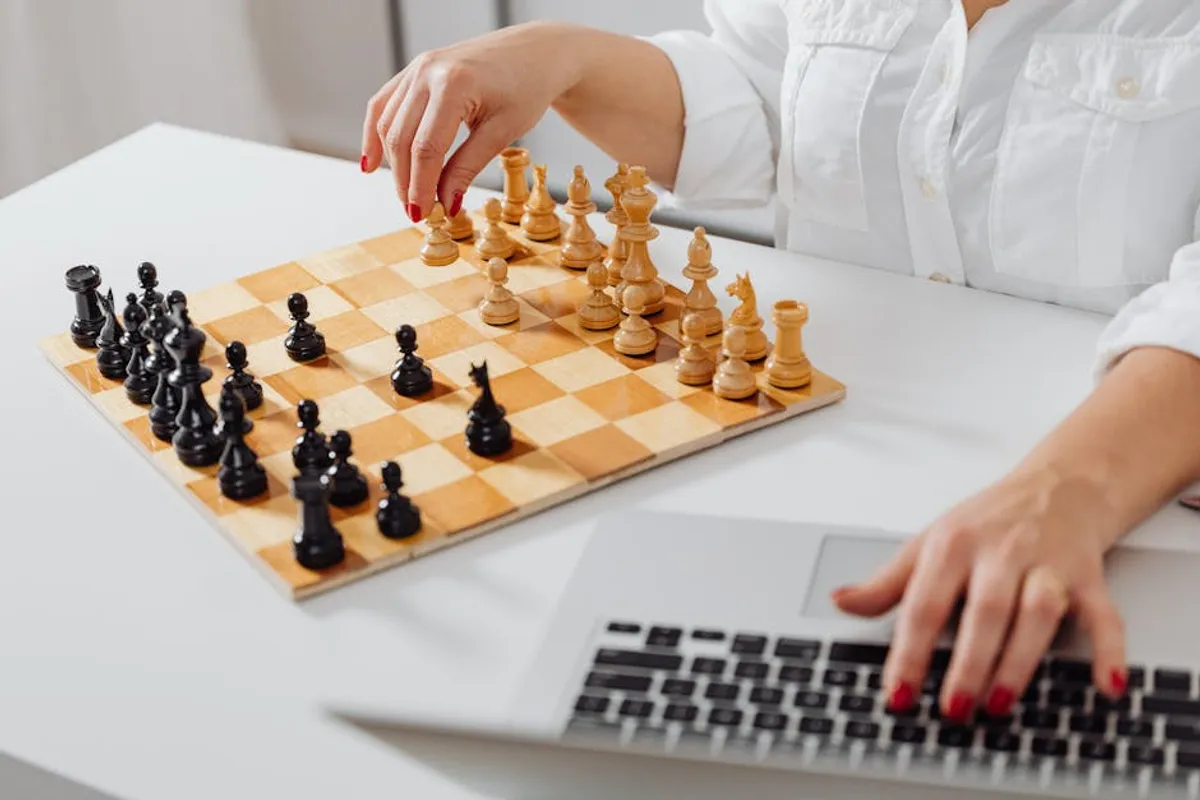
For many chess players, the path to improvement often feels opaque, a blend of studying openings, reviewing games, and memorizing endgames. However, one of the most direct and impactful methods for elevating your play, particularly in the critical middle and endgame phases, is consistent chess puzzle training. This isn't merely a supplementary exercise; it's a foundational component for developing tactical vision, calculation depth, and pattern recognition—skills that directly translate into winning more games. Understanding how to approach these puzzles strategically, rather than just solving them passively, is the distinction between incremental gains and significant leaps in rating and understanding. If you're looking to elevate your game, consider exploring more effective chess puzzle training tips to sharpen your tactical edge.
Understanding Chess Puzzle Training
Chess puzzle training involves solving tactical problems derived from actual game positions. Each puzzle presents a scenario where one side has a decisive advantage, often involving a forced sequence of moves leading to checkmate, material gain, or a significant positional advantage. The core objective is to identify this winning sequence within a given position.
This practice differs from casual game play or opening study because it isolates specific tactical motifs. Instead of navigating a complex position with many possible plans, puzzles narrow the focus to finding the most potent, often singular, line of play. This focused repetition helps engrain tactical patterns into a player's subconscious, making them easier to spot under the pressure of a live game.
Core Benefits of Dedicated Puzzle Work
Consistent engagement with chess puzzles yields several measurable improvements in a player's game:
- Enhanced Tactical Vision: Regular exposure to diverse tactical themes—forks, pins, skewers, discovered attacks, back-rank mates—trains the eye to quickly spot these opportunities in complex positions. This reduces the likelihood of missing winning chances or falling victim to opponent's threats.
- Improved Calculation Skills: Puzzles force players to visualize entire sequences of moves in their mind before making a move on the board. This iterative process of candidate move generation, evaluation, and refutation strengthens calculation depth and accuracy, a critical skill for all phases of a chess game.
- Accelerated Pattern Recognition: Over time, solving hundreds or thousands of puzzles leads to an intuitive understanding of common tactical structures. Players begin to recognize patterns almost instantly, saving valuable time during games and allowing for quicker, more confident decision-making.
- Better Time Management: By developing faster tactical recognition and more efficient calculation, players spend less time per move on tactical sequences, conserving clock time for more strategic considerations or complex defensive tasks.
- Reduced Blunders: A strong tactical foundation helps players anticipate opponent's threats and avoid simple blunders that often decide games. It builds a defensive awareness alongside offensive capabilities.
Selecting Your Puzzle Resources
The effectiveness of puzzle training hinges on the quality and relevance of your chosen resources. While the market offers numerous options, consider these attributes when making your selection:
Key Features to Look For:
- Adaptive Difficulty: Platforms that adjust puzzle difficulty based on your performance ensure you are consistently challenged, preventing stagnation from overly easy puzzles or frustration from consistently impossible ones.
- Thematic Categories: The ability to filter puzzles by specific themes (e.g., mate in 2, forks, endgames) allows for targeted practice, reinforcing particular tactical patterns when needed.
- Detailed Analysis: After attempting a puzzle, access to engine analysis and clear explanations of the correct solution, including alternative lines and common mistakes, is crucial for learning.
- Mistake Tracking: A system that tracks your errors and allows you to re-attempt failed puzzles helps reinforce correct solutions and identify recurring weaknesses.
- Variety of Sources: Look for puzzles derived from a wide range of historical and contemporary games, ensuring exposure to diverse playing styles and tactical scenarios.
Strategies for Maximizing Puzzle Impact
Solving puzzles without a deliberate strategy limits their effectiveness. Implement these approaches to extract maximum value from each session:
Timed Sessions and Deep Calculation
Approach each puzzle as if it were a critical moment in a game. Instead of rushing, dedicate a specific amount of time to each problem, typically 2-5 minutes for easier puzzles and up to 10-15 minutes for more complex ones. During this time, calculate every candidate move, visualize the resulting position, and anticipate your opponent's replies. Only make a move when you are confident you have found the optimal solution.
Post-Puzzle Analysis
Whether you solve a puzzle correctly or incorrectly, always review the solution. Understand *why* the correct moves work and *why* your incorrect attempts failed. Pay attention to hidden resources or defensive ideas you might have missed. This analytical step is where the deepest learning occurs, transforming a simple solution into a lasting lesson.
Varying Difficulty and Themes
While challenging yourself is important, also incorporate easier puzzles to build speed and confidence in recognizing basic patterns. Regularly switch between different tactical themes to maintain a well-rounded skill set. If you consistently struggle with a particular theme, dedicate specific sessions to it until you see improvement.
Pro Tip: Avoid the temptation to "guess" moves when stuck. If you've spent your allotted time and still can't find the solution, it's more beneficial to admit defeat, review the answer, and understand the logic, rather than randomly clicking through moves. Guessing bypasses the critical calculation and visualization practice.
Integrating Puzzles into Your Overall Study
Puzzle training should complement, not replace, other aspects of chess study. A balanced approach might involve:
- Daily Routine: Dedicate 15-30 minutes daily to puzzles. Consistency is more valuable than sporadic long sessions.
- Pre-Game Warm-up: Solve a few puzzles before playing a game to sharpen your tactical awareness.
- Post-Game Review: After analyzing your own games, consider if any tactical errors or missed opportunities could have been avoided with better puzzle practice.
- Thematic Focus: If your games reveal a weakness in a specific tactical area (e.g., missing back-rank mates), focus your puzzle sessions on that theme for a period.
Avoiding Common Puzzle Practice Mistakes
Even with good intentions, players can fall into traps that diminish the effectiveness of their puzzle training:
- Rushing: Solving puzzles too quickly without proper calculation leads to superficial learning and reinforces bad habits.
- Not Analyzing Mistakes: Failing to review incorrect solutions means missing critical learning opportunities. Each mistake is a chance to identify a gap in understanding.
- Only Doing Easy Puzzles: While confidence-building, sticking exclusively to easy puzzles will not develop the calculation depth needed for higher-level play.
- Ignoring Endgame Puzzles: Many players focus solely on middle-game tactics. Endgame puzzles are crucial for converting advantages and saving difficult positions.
Sustaining Improvement Through Puzzles
Consistent, deliberate practice is the cornerstone of long-term improvement. Track your progress, whether through a platform's rating system or by noting your accuracy rates. Celebrate small victories and use setbacks as motivation to refine your approach. The goal is not just to solve a puzzle, but to internalize the underlying principles so that they become second nature in your actual games.
Frequently Asked Questions
How often should I practice chess puzzles?
For consistent improvement, aim for at least 15-30 minutes of puzzle practice daily. Daily exposure, even brief, is more effective than infrequent, long sessions. For those who prefer digital learning, understanding how to practice chess puzzles online can offer structured and accessible training.
What if I get stuck on a puzzle for a long time?
If you've spent your allotted time (e.g., 5-10 minutes) and are still stuck, it's better to review the solution and understand the logic rather than guessing. Prolonged frustration without progress is counterproductive.
Do puzzles help with positional play?
While primarily tactical, puzzles indirectly aid positional play by improving calculation and forcing you to consider concrete variations. Strong tactical awareness also frees up mental energy to focus on broader positional themes.
Should I use a timer for every puzzle?
Using a timer, especially for more complex puzzles, encourages deeper calculation and prevents rushing. It simulates game conditions where time is a factor. For easier puzzles, focus more on speed and accuracy.



