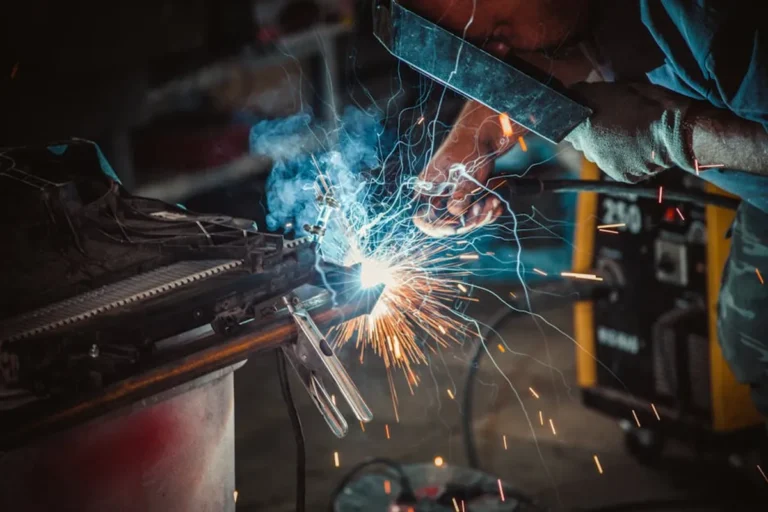
Understanding the full scope of safety equipment, from its fundamental purpose to specific applications, technical specifications, and informed purchasing strategies, is central to effective operational management. This guide details the essential considerations for integrating safety equipment into any work environment, focusing on how precise selection and deployment mitigate risk, ensure regulatory compliance, and support long-term operational efficiency. The goal is to move beyond mere acquisition toward strategic implementation that protects personnel and assets while optimizing investment.
Defining the Core Purpose of Safety Equipment
Safety equipment serves as a primary control measure against workplace hazards, designed to protect individuals from injuries, illnesses, and fatalities. Its fundamental purpose extends beyond immediate physical protection to encompass regulatory compliance, operational continuity, and the cultivation of a safety-conscious culture. Each piece of equipment is engineered to address specific risks, acting as a barrier between a worker and potential harm.
- Hazard Mitigation: The most direct purpose is to reduce or eliminate exposure to identified hazards, whether chemical, physical, biological, or ergonomic. This involves selecting equipment that directly counters the specific threat profile of a task or environment.
- Injury Prevention: By providing personal protective barriers, safety equipment prevents direct contact with dangerous elements, absorbs impact, or alerts users to unsafe conditions, thereby minimizing the incidence and severity of workplace injuries.
- Regulatory Compliance: Adherence to national and international safety standards (e.g., OSHA in the US, EN standards in Europe) is a non-negotiable aspect of safety equipment use. Selecting certified equipment ensures legal compliance and avoids penalties, reflecting a commitment to worker welfare.
- Operational Continuity: A safe workforce is a productive workforce. By preventing accidents and maintaining worker health, safety equipment reduces downtime, lowers insurance costs, and contributes to uninterrupted operational flow.
- Enhancing Worker Confidence: Providing appropriate and well-maintained safety gear demonstrates an organization's commitment to its employees' well-being, fostering trust and improving morale, which can positively impact productivity and retention.
Diverse Uses Across Industries
The application of safety equipment is highly contextual, varying significantly by industry, specific task, and hazard assessment. Effective deployment requires a granular understanding of these diverse uses.
Personal Protective Equipment (PPE)
PPE is designed to protect individuals from specific hazards when engineering controls and administrative controls are insufficient. Its use is dictated by a thorough hazard assessment.
- Head Protection: Hard hats and safety helmets protect against falling objects, impacts, and electrical shocks. Best for: Construction, manufacturing, utilities.
- Eye and Face Protection: Safety glasses, goggles, and face shields guard against chemical splashes, flying debris, intense light, and particulate matter. Best for: Welding, machining, laboratory work, grinding.
- Hearing Protection: Earplugs and earmuffs reduce exposure to excessive noise levels, preventing noise-induced hearing loss. Best for: Heavy industry, airports, construction sites.
- Respiratory Protection: Respirators (N95, half-face, full-face, supplied air) filter airborne contaminants or provide clean breathing air in hazardous atmospheres. Best for: Painting, chemical handling, asbestos removal, confined spaces.
- Hand Protection: Gloves (cut-resistant, chemical-resistant, heat-resistant, anti-vibration) protect against cuts, abrasions, chemical burns, extreme temperatures, and punctures. Best for: Assembly, food processing, chemical manufacturing, automotive.
- Foot Protection: Safety boots and shoes with steel toes, metatarsal guards, and slip-resistant soles protect against impacts, compression, punctures, and slips. Best for: Warehousing, construction, heavy manufacturing.
- Fall Protection: Harnesses, lanyards, lifelines, and anchor points prevent falls from height. Best for: Roofing, telecommunications, scaffolding, window cleaning.
Site and Environmental Safety Equipment
Beyond individual protection, equipment is crucial for safeguarding the overall work environment.
- Emergency Showers and Eyewash Stations: Provide immediate decontamination in case of chemical exposure. Best for: Laboratories, chemical plants, manufacturing facilities.
- Fire Suppression Systems: Including extinguishers, sprinklers, and fire blankets, these are critical for containing and extinguishing fires. Best for: All commercial and industrial settings.
- Gas Detectors and Monitors: Continuously check for hazardous gas concentrations (e.g., CO, H2S, O2 deficiency) in confined spaces or areas with potential leaks. Best for: Oil and gas, mining, wastewater treatment, chemical storage.
- Lockout/Tagout Devices: Physically prevent the unexpected energization or startup of machinery during maintenance or repair. Best for: Manufacturing, industrial maintenance.
- Safety Signage and Barriers: Communicate hazards, direct traffic, and restrict access to dangerous areas. Best for: Construction sites, public works, temporary hazard zones.
Critical Specifications and Standards
Selecting appropriate safety equipment hinges on understanding its technical specifications and relevant industry standards. These details dictate performance, durability, and regulatory compliance.
Regulatory and Performance Standards
Compliance with recognized standards is non-negotiable. These standards ensure equipment meets minimum performance requirements for protection.
- ANSI (American National Standards Institute): Develops voluntary consensus standards for a wide range of safety equipment in the US, e.g., ANSI Z87.1 for eye and face protection, ANSI Z358.1 for emergency eyewash and shower equipment.
- OSHA (Occupational Safety and Health Administration): Enforces workplace safety and health standards in the US, often referencing ANSI standards. OSHA regulations mandate specific types of PPE for various hazards.
- CE Marking (Conformité Européenne): A mandatory conformity mark for products sold within the European Economic Area, indicating compliance with EU health, safety, and environmental protection directives.
- NFPA (National Fire Protection Association): Develops codes and standards related to fire prevention and safety, e.g., NFPA 70E for electrical safety in the workplace.
Material Science and Ergonomics
The materials used and the ergonomic design directly impact protection effectiveness, comfort, and user acceptance.
- Material Composition: For gloves, this could be nitrile, latex, PVC, or specialized fabrics like Kevlar. For respirators, filter media efficiency (e.g., P100, N95) is critical. Hard hats use HDPE or ABS for impact resistance. Understanding material properties ensures selection aligns with specific chemical resistance, cut resistance, or temperature requirements.
- Fit and Adjustability: Ill-fitting equipment compromises protection. Respirators require fit testing. Harnesses need proper adjustment for different body types. Comfort, breathability, and weight are also factors that influence user compliance and reduce fatigue.
- Durability and Maintenance: Equipment must withstand the rigors of its intended use. Specifications often include expected lifespan, cleaning protocols, and inspection requirements. Materials that resist degradation from chemicals, UV light, or abrasion contribute to longevity.
Pro Tip: Always verify equipment certifications and expiration dates upon receipt and before each use. A label or tag indicating compliance (e.g., ANSI Z87.1, CE EN 166) is not merely a formality; it's a legal and safety assurance. Uncertified or expired equipment offers no guaranteed protection and exposes both the worker and the organization to significant risk.
Strategic Buying Tips
Purchasing safety equipment is a strategic decision requiring careful consideration beyond initial cost. Focus on long-term value, compliance, and user acceptance.
Conduct a Comprehensive Hazard Assessment
Before any purchase, perform a detailed assessment of all potential workplace hazards. This identifies the specific risks (e.g., chemical splashes, fall hazards, noise levels) that require protective measures. The assessment should inform the exact type and level of protection needed, preventing both under-protection and over-specification.
Prioritize Compliance and Certification
Always select equipment that meets or exceeds relevant national and international safety standards. Request documentation of compliance from suppliers. This not only ensures legal adherence but also guarantees a baseline level of performance and quality, which is crucial for effective protection.
Evaluate User Acceptance and Comfort
Even the most advanced safety equipment is ineffective if workers refuse to use it due to discomfort, poor fit, or interference with tasks. Involve end-users in the selection process. Consider factors like weight, breathability, field of vision, and ease of donning/doffing. Equipment that is comfortable and practical for extended wear significantly increases compliance rates.
Consider Total Cost of Ownership (TCO)
Beyond the initial purchase price, factor in the costs of maintenance, replacement parts, training, and disposal. Higher-quality equipment may have a greater upfront cost but offer superior durability, longer lifespan, and reduced replacement frequency, leading to lower TCO over time. Evaluate warranties and supplier support.
Assess Supplier Reliability and Support
Choose suppliers with a proven track record of quality products, timely delivery, and responsive customer service. A reliable supplier can provide technical support, product training, and assist with compliance questions. They should offer a range of products from reputable manufacturers and maintain adequate stock levels for essential items.
Ensuring Ongoing Safety Effectiveness
The initial purchase of safety equipment is just the first step. Maintaining its effectiveness requires continuous attention to inspection, maintenance, training, and regular review of workplace hazards. Implement a robust program for tracking equipment lifespan, conducting scheduled replacements, and ensuring all personnel are proficient in its correct use and care. Regular audits of equipment use and condition will identify deficiencies before they lead to incidents, solidifying a proactive safety culture.
Frequently Asked Questions
How often should safety equipment be inspected?
Inspection frequency depends on the equipment type, intensity of use, and manufacturer guidelines. Daily pre-use checks are common for many items (e.g., fall harnesses, respirators), while more thorough inspections by a competent person may be required weekly, monthly, or annually. Always follow manufacturer recommendations and regulatory requirements.
What is the difference between an N95 and a P100 respirator?
Both are types of particulate filter respirators. N95 filters at least 95% of airborne particles but is not resistant to oil aerosols. P100 filters at least 99.97% of airborne particles and is strongly resistant to oil aerosols. The choice depends on the specific contaminants present in the work environment.
How do I ensure proper fit for PPE?
Proper fit is crucial for effective protection. For items like respirators, formal fit testing is mandatory. For other PPE such as gloves, safety glasses, or hard hats, ensure they are adjustable and comfortable without obstructing movement or vision. Consult manufacturer sizing guides and conduct user trials where possible.
Is training required for all safety equipment?
Yes, comprehensive training is mandatory for any safety equipment that workers are expected to use. This training should cover how to properly wear, use, inspect, maintain, and store the equipment, as well as its limitations and when it is necessary. Retraining should occur periodically or when new equipment is introduced.