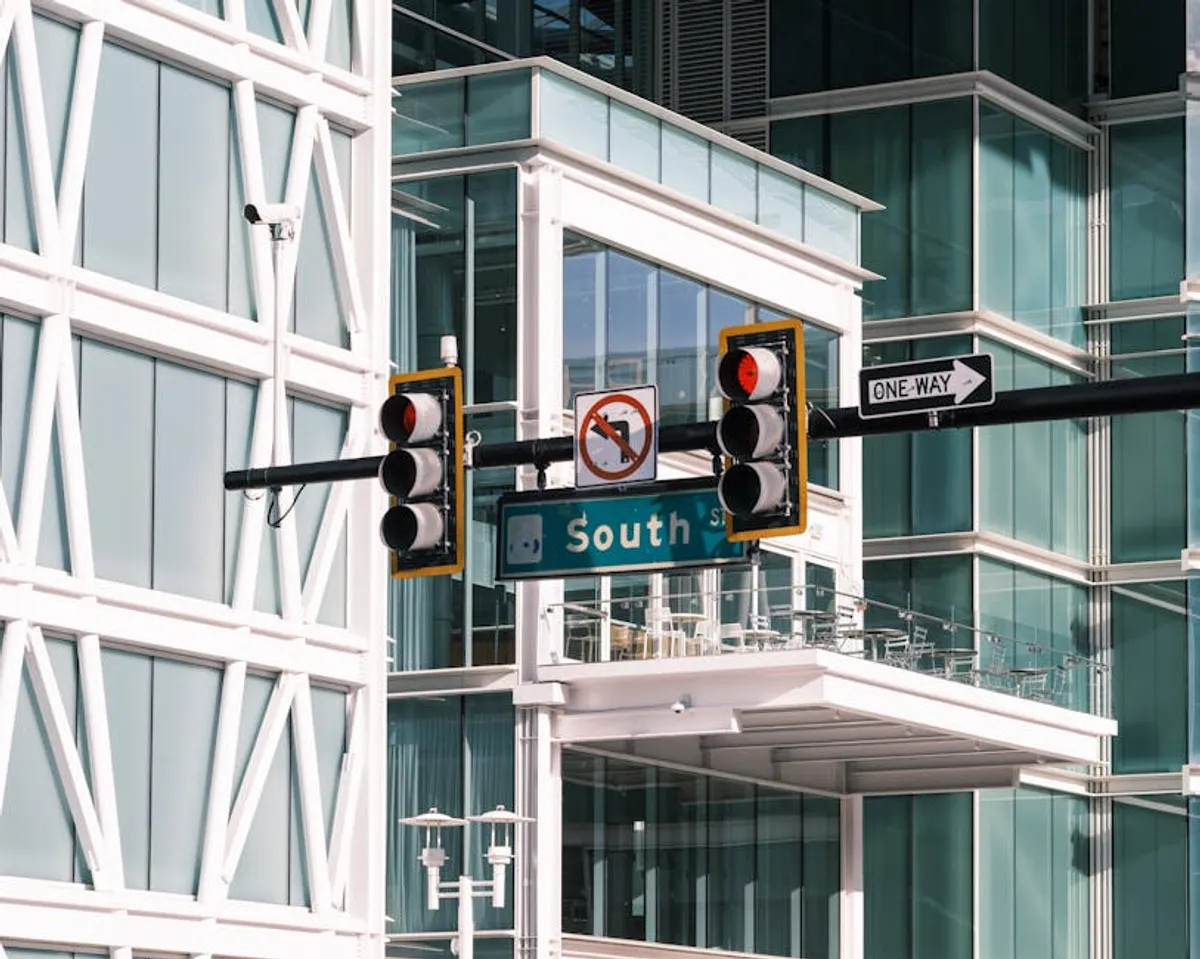
Smart traffic management technologies represent a significant shift from traditional infrastructure approaches, offering dynamic solutions to urban and highway congestion, safety concerns, and environmental impact. For municipalities, transportation agencies, and private entities managing large-scale operations, understanding these systems is crucial for making informed investment decisions. This guide details the core components, practical applications, technical specifications, and critical buying considerations to navigate this evolving landscape effectively.
Understanding Smart Traffic Management Systems
Smart traffic management systems integrate advanced sensors, communication networks, data analytics, and control mechanisms to optimize traffic flow and enhance road safety. The primary objective is to move vehicles, pedestrians, and cyclists more efficiently and safely through existing infrastructure, rather than relying solely on new construction. These systems gather real-time data on traffic volume, speed, incidents, and environmental conditions, then use this information to make adaptive adjustments to traffic signals, variable message signs, and other control elements.
Core Technological Components
Effective smart traffic management relies on several interconnected technological layers:
- Sensors: Inductive loops, radar, lidar, and high-resolution cameras collect data on vehicle presence, speed, classification, and queue lengths. These provide the raw input for analysis.
- Communication Networks: High-bandwidth, low-latency networks (e.g., fiber optics, 5G, dedicated short-range communication (DSRC), cellular V2X) are essential for transmitting real-time data between sensors, control centers, and roadside units.
- Data Analytics Platforms: Centralized software platforms process vast amounts of data, often employing machine learning and artificial intelligence algorithms to identify patterns, predict congestion, and recommend optimal control strategies.
- Control Systems: These include adaptive traffic signal controllers that adjust timing based on real-time demand, ramp metering systems for highway access, and variable speed limits or lane assignments.
- Integrated Platforms: Many solutions are part of broader Intelligent Transportation Systems (ITS) or smart city frameworks, allowing for data sharing and coordinated responses across different urban services.
Operational Uses and Benefits
The deployment of smart traffic management technologies yields tangible benefits across several key areas, directly impacting operational efficiency and public well-being.
Enhancing Urban Mobility
For cities grappling with growing populations and vehicle counts, these technologies offer direct improvements in daily commutes. Adaptive signal control systems, for instance, can reduce average travel times by 10-25% during peak hours by dynamically adjusting green light durations based on real-time traffic flow at intersections. Integrated parking guidance systems direct drivers to available spaces, decreasing circling time and associated congestion in commercial districts. Public transport prioritization schemes ensure buses and trams maintain schedules more reliably by granting them signal preference.
Improving Safety and Environmental Impact
Incident detection systems, using camera and radar data, can identify accidents, stalled vehicles, or debris within seconds, triggering rapid emergency response and traffic rerouting. This proactive approach significantly reduces secondary accidents. Pedestrian and cyclist detection at intersections, coupled with smart signalization, enhances vulnerable road user safety. From an environmental perspective, smoother traffic flow and reduced idling times translate into lower fuel consumption and a measurable decrease in vehicle emissions, contributing to cleaner air quality in urban centers.
Pro Tip: When evaluating smart traffic management solutions, prioritize systems that offer open APIs and robust integration capabilities. Proprietary systems can create data silos, limiting your ability to combine insights from different sources (e.g., public transit data, weather, event schedules) for a truly holistic and adaptive strategy.
Key Specifications for Technology Evaluation
Selecting the appropriate smart traffic management technology requires a detailed understanding of critical technical specifications that dictate performance and long-term viability.
Data Processing and Integration
Consider the system's ability to process data in real-time versus batch processing. Real-time capabilities are essential for adaptive signal control and immediate incident response. Evaluate the data latency, which is the delay between data collection and actionable output. Interoperability is paramount; look for solutions that adhere to industry standards (e.g., NTCIP for traffic controllers, MQTT for IoT communication) and offer well-documented APIs for integration with existing ITS components or future smart city platforms. The capacity to handle diverse data types—from sensor feeds to social media reports on traffic—is also a differentiator.
Scalability and Security
A system must be designed to scale with urban growth and increasing data volumes without requiring complete overhauls. This includes modular hardware components and cloud-native software architectures that can expand resources on demand. Security protocols are non-negotiable; assess encryption standards for data in transit and at rest, access control mechanisms, and compliance with relevant data privacy regulations (e.g., GDPR, CCPA). Robust cybersecurity measures are critical to protect against potential disruptions to critical infrastructure.
Strategic Buying and Implementation Guidance
Beyond technical specifications, a strategic approach to procurement and deployment is essential for maximizing the return on investment in smart traffic management technologies.
Assessing Needs and Vendor Capabilities
Begin with a comprehensive needs assessment to identify specific pain points (e.g., peak-hour congestion at specific corridors, high accident rates at certain intersections, inadequate parking). This dictates the necessary technological features. When evaluating vendors, look beyond product brochures. Request case studies from similar deployments, verify their track record, and assess their technical support infrastructure. A vendor's ability to provide comprehensive training for your operational staff and ongoing maintenance agreements is as important as the technology itself.
Cost and Regulatory Considerations
The total cost of ownership extends beyond initial hardware and software purchases. Factor in installation, integration with legacy systems, ongoing maintenance, software licensing fees, and energy consumption. Conduct a thorough cost-benefit analysis, quantifying potential savings from reduced congestion, fuel consumption, and accident rates. Additionally, be aware of local, regional, and national regulations concerning data privacy, sensor deployment, and communication spectrum usage. Compliance can influence technology choices and implementation timelines.
Implementing Your Smart Traffic Strategy
Successful deployment of smart traffic management technologies involves a phased approach, beginning with pilot programs. Select a critical intersection or corridor to test the system's effectiveness and gather real-world performance data. Use this data to refine configurations and validate assumptions before wider rollout. Engage stakeholders, including emergency services, public transit operators, and local businesses, early in the process to ensure their needs are met and to foster acceptance. Continuous monitoring and iterative adjustments post-implementation are crucial for sustained performance optimization. Establish clear metrics for success, such as average speed improvements, incident response times, or pedestrian safety indices, to demonstrate the value of the investment.
Frequently Asked Questions
What is the typical ROI for smart traffic management systems?
ROI varies widely based on specific technologies deployed, existing infrastructure, and traffic conditions. However, studies often show reductions in travel times (10-25%), fuel consumption (5-15%), and accident rates (5-10%), leading to significant economic and social benefits over time.
How do these systems handle privacy concerns with cameras and sensors?
Most modern systems employ anonymization techniques, such as processing video feeds to extract only traffic data (e.g., vehicle count, speed) without storing identifiable images or using privacy-by-design principles to blur or pixelate personal information.
Can smart traffic systems integrate with autonomous vehicles?
Yes, many systems are being designed with V2X (Vehicle-to-Everything) communication capabilities, allowing them to exchange data with connected and autonomous vehicles, enhancing safety and efficiency through coordinated actions.
What are the main challenges in deploying these technologies?
Key challenges include high upfront costs, integrating new systems with legacy infrastructure, ensuring data security and privacy, and obtaining public and stakeholder acceptance for new technologies and data collection practices.